Hearthlight Updates: Kickstarter Lessons & Chapter 29 Progress
A failed campaign isn't a dead end; it’s a masterclass. Looking back at the numbers from our June Kickstarter, what I learned about audience momentum, and our massive goal for the September 1 relaunch. Plus, a progress update on Chapter 28!
A World Reborn
Looking Back: The June Kickstarter
As many of you know, this past June I took a major leap of faith and launched a Kickstarter campaign to bring the first phase of The Hearthlight Cycle to life. My goal was ambitious, but my belief in this world and this community was—and remains—unshaken. Ultimately, the campaign fell short of its funding goal, closing out with 6 incredible backers and a total of $205 toward our $5,500 target.
To those 6 pioneers who stepped up to back the project: thank you from the bottom of my heart. Seeing names pop up in my inbox during those first few days was an incredible feeling. Your early faith in Aestraea is exactly what keeps me moving forward, and I am deeply grateful for your support.
The Hard Truth & What I Learned
A failed campaign isn't a dead end; it’s a masterclass in publishing. The data from June sent a loud, clear message: audience momentum is everything.
Crowdfunding isn't just about having a great book or a compelling universe; it’s about a highly coordinated launch window. Relying on a small, passionate inner circle to clear a large funding hurdle simply isn't sustainable. To make this project a reality, the strategy has to shift entirely from launching and hoping to preparing and knowing.
Moving forward, I'm setting a strict prerequisite before the next campaign goes live. We need to hit a milestone of 100 to 150 subscribers on the Kickstarter "Notify Me" pre-launch page before September 1. This is the critical mass required to signal to Kickstarter’s algorithms that our project is worth paying attention to on Day One.
The Next Steps: Goals for August & September
We aren't throwing in the towel; we are recalibrating the entire engine. Here is how the next two months look behind the scenes:
August Focus (Building the Foundation): This entire month is dedicated to pre-launch visibility. I will be pulling back the curtain on Aestraea more than ever before, sharing exclusive lore, behind-the-scenes worldbuilding, and character reveals. The sole goal of this content is to drive readers to the "Notify Me" button so we can secure our 100–150-backer foundation.
September 1 Relaunch: Mark your calendars. With a refined strategy, a built-in crowd, and a clear vision, The Hearthlight Cycle returns to Kickstarter on September 1.
Writing Update: The Hearthlight Cycle
Coming to Kickstarter September 1:
A World Reborn returns to Kickstarter on September 1, with the goal of having 100-150 pre-launch backers. Will
While the business and marketing side of indie publishing has its steep learning curves, the creative side is absolutely thriving. I am currently deep in the trenches of Chapter 29 of the manuscript.
The finish line for this specific arc is finally coming into focus. I have roughly 10 chapters left to write before the first full draft is complete. Watching these characters evolve and seeing the plot threads weave together has been incredibly fulfilling, and it makes me more determined than ever to get this book into your hands in its best possible form.
Thank you all for walking this road with me through the peaks and the valleys. Your support—whether it's backing a project, reading this blog, or sending an encouraging note—is what keeps Aestraea alive.
The new pre-launch page will be live soon. Let’s hit that 100–150 goal together and make September 1 unforgettable!
Classic Influencers: The Authors Who Influenced The Author
I have a reading disability that makes words parkour across my field of vision. I read Tolkien, Jordan, and Asprin anyway. This is the craft post on what each of them gave me — and how all three ended up inside The Hearthlight Cycle.
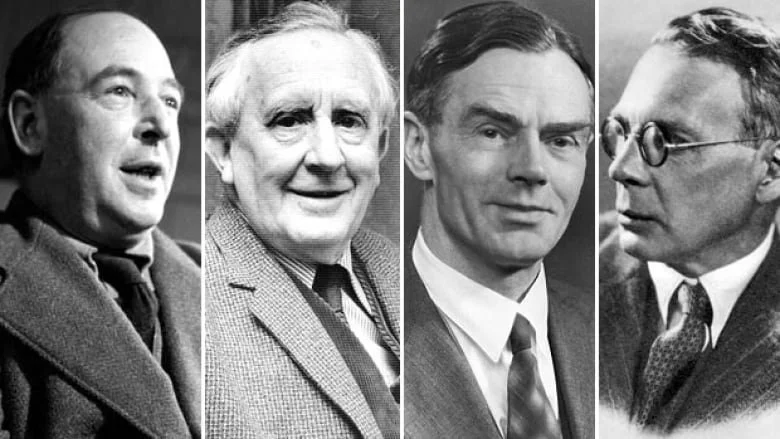
The Inklings.
From Left to Right: C.S. Lewis, J.R.R. Tolkien, Owen Barfield, & Charles Williams
There are many books I have not read in their entirety: The Hobbit, The Two Towers, Return of the King, or even Worlds Apart (which is, honestly, on my To Read list). I do not feel guilty for not having completed (or even started) these books. I have a reading disability that causes words on a page to parkour their way all about my field of vision which, honestly, makes for slow reading and migraines.
That said, I have read Fellowship of the Ring by J.R.R. Tolkien, and that actually gave me what I needed: permission.
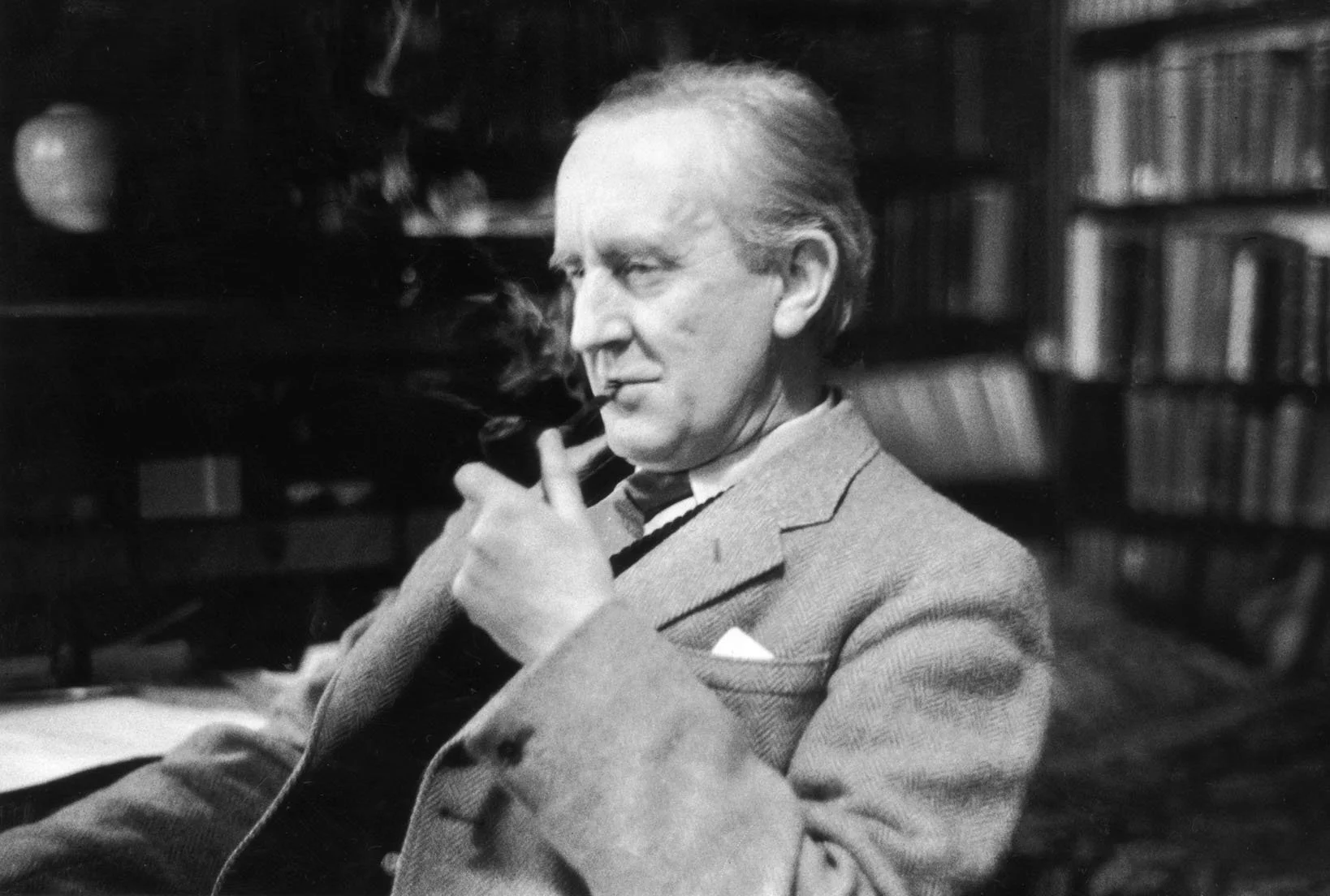
J.R.R. Tolkien
Worldbuilder Extraordinaire.
What Tolkien could not give me was people.
His characters are archetypes, and archetypes serve their purpose. But I wanted deeper. I wanted relatable. I wanted true dumpster fires and living disasters: characters who contradict themselves, who
love people they should not, who carry the specific, unglamorous weight of real psychological complexity. I wanted an ensemble where no single character carries the moral authority of the narrative, because in my experience, no single person ever does.
That is where Robert Jordan came in.
Fourteen books. I am currently on Book 13, Towers of Midnight — written by Brandon Sanderson, finishing the series after Jordan’s death at Harriet McDougal’s request. I will make it to Bookhalla, even if I listen to Kate Reading and Michael Kramer read it to me while I drive, so I don’t get migraines. Audiobooks are real books.
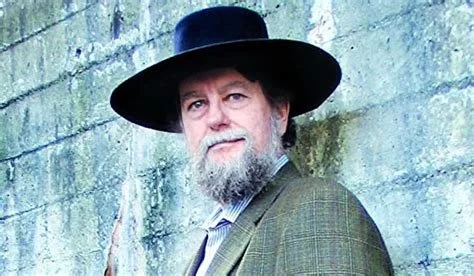
Robert Jordan
Designer of People as Characters.
The Wheel of Time is, among other things, a masterclass in what an ensemble cast actually demands of a writer: that you hold dozens of fully realised people in your head simultaneously, that you honour the interiority of each one, that you resist the pull to let the plot flatten them into functions. Jordan wrote women, in particular, with a specificity and a stubbornness that I found remarkable. They were not there to serve the story. They were the story, alongside everyone else. That is the thing I carried out of those books and directly into The Hearthlight Cycle.
As I wrote the earlier post this week about Riordan Veilwalker, I realised that Aestraea has more named primary male characters than female ones in A World Reborn, which surprised me when I realised it. That is not an accident, and it is not a statement. It is just what the world produced when I stopped trying to manage it and let it be what it was. Jordan taught me to trust that.
Then there is Robert Asprin.
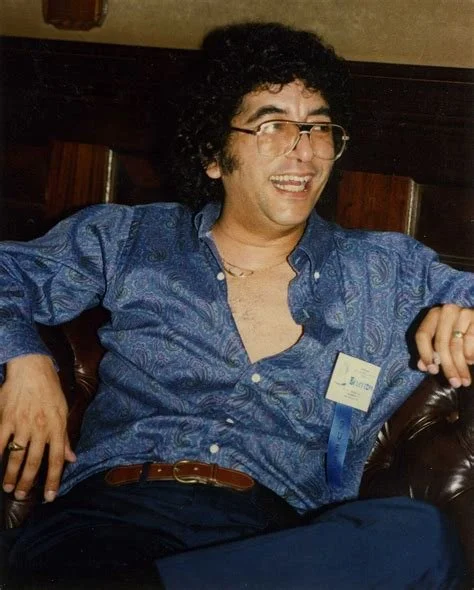
Robert Asprin
His books are never a M.Y.T.H.-take.
If you know the M.Y.T.H. series, you are already smiling. If you do not, the short version is this: they are funny, they are light, they are what some people call popcorn novels, and I read them with great and unashamed enjoyment. The migraines were worth it. These are also now on your To Read list. I don’t make the rules.
Asprin taught me something that neither Tolkien nor Jordan could, because neither of them particularly needed to: that conflict does not have to be existential to be real. No looming darkness. No ancient evil stirring in the deep. A misunderstanding between two people, played out across a hundred and fifty pages, is enough. The stakes can be entirely human and entirely ordinary and still hold a reader completely.
That matters more than it sounds. Epic fantasy has a tendency to reach for the apocalyptic, as if smaller conflicts are beneath the genre’s dignity. Asprin reminded me that they are not. Some of the best scenes in A World Reborn are arguments. People talking past each other, protecting themselves with humour, saying the wrong thing, and spending chapters untangling it. That is Asprin’s influence, sitting quietly inside an epic fantasy series, not announcing itself.
Three writers. Thirteen books from one, one from another, and a stack of paperbacks from a third. What I took from each of them is not style, not voice, not even structure. It is permission, of a different kind each time: to go deep, to go wide, to let the small and human stand next to the enormous and ancient without apology.
The Hearthlight Cycle is what happened when I took all three permissions and wrote the world that had been living in me since long before I knew it even existed.
The Kickstarter for A World Reborn is almost over! It is live until June 30! Pledge your support, and help fund an epic world!
This article first appeared on Substack on June 26, 2026.
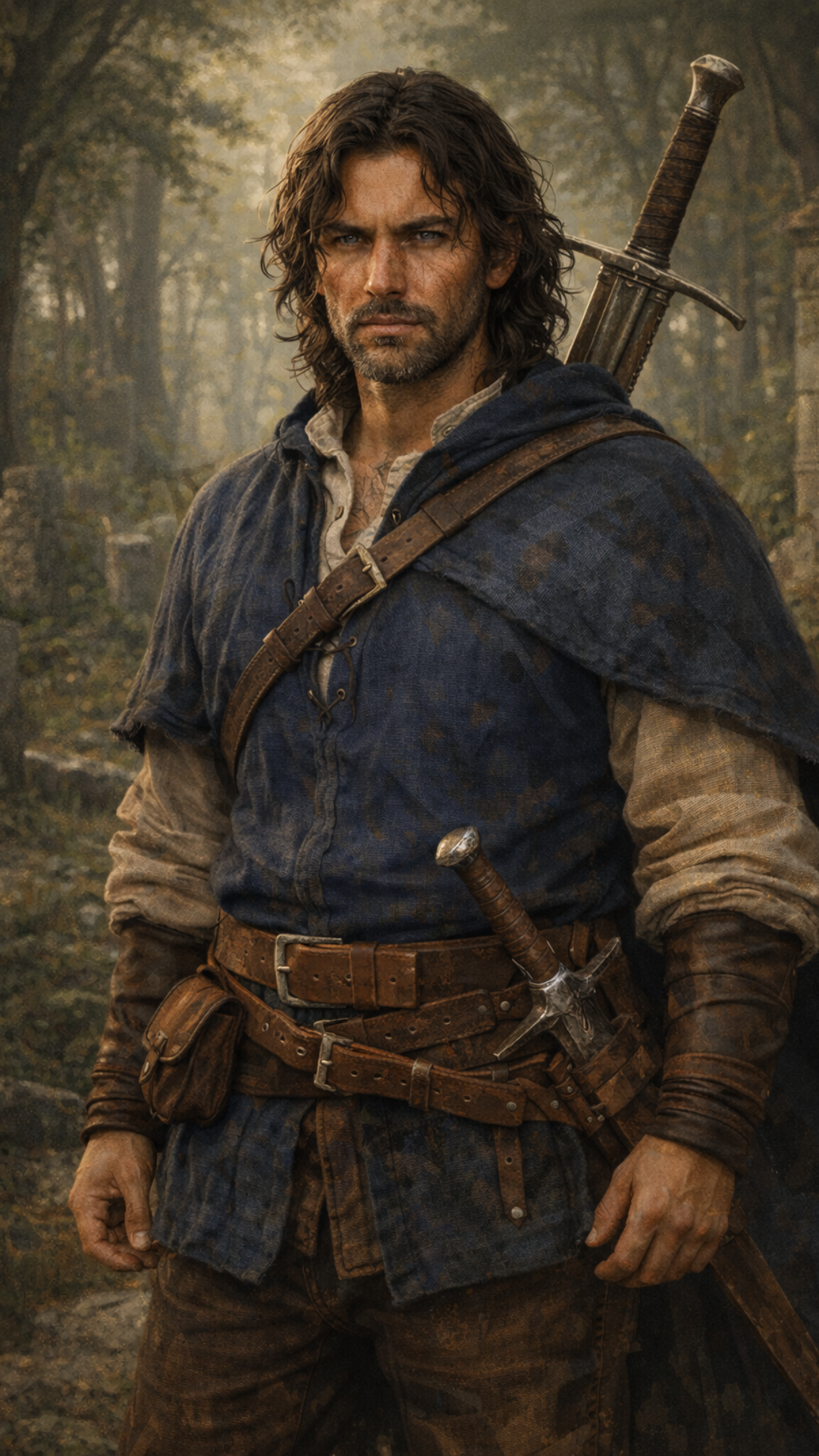
Character Study: Riordan Veilwalker
Riordan din Torin al'Vaelryn is the manliest man in A World Reborn, and he is loosely based on my brother. A personal essay on grief, family, generational emotional masking, and what it means to write a character whose armour is not a flaw but a survival strategy.
Grief does odd things to people. But, then again, that’s why there are stages of grief; those stages, in case you were wondering, are not linear, nor do they flow seamlessly into each other.
When Dad died December 21, 2020, from Covid, I was on the West Coast in Los Angeles, and had been since 2003. I am the youngest child in the family by 8 years to my brother, and 10 years to my sister. To say they did not know me is a slight understatement. I was forever “The Baby.”
Two years prior, when my Uncle Jimmy (Dad’s older brother...by 16 years) passed away, I went back for the funeral and was met with hostility from my brother. I cherished my brother. Ever since I was a little kid, my brother was my protector, my knight, my hero, my Doctor! And here he was, acting as if I had no right to be at the funeral for the man who taught me how to draw and paint and do calligraphy. I was more than heartbroken.
I wasn’t able to attend Dad’s funeral, and I was largely out of the loop on what was happening with him, as well. Again, I was the Baby, and there wasn’t anything I could do from Los Angeles, anyway. So, when Mom was in the process of shuffling off her mortal coil, I was flown back East to attend the funeral and ended up being more involved in not just her end-of-life care, but also the planning for the funeral, and the aftermath of estate management. It was then that my brother reclaimed his position as protector and hero.
I felt like I was being pressured to move back to Pennsylvania to take care of Mom’s older sister because she was living in the house that I, for some reason, inherited. I stood in the kitchen, clearly upset, trying not to cry because I didn’t want to be the Baby. I wanted to be an adult. And that is when my brother walked over, wrapped his arms around me, hugged me tightly, and said, “You do not have to move back here. We would all love it if you did, but you have your own life to live. If you don’t want to move back, don’t. I love you.”
Riordan din Torin al’Vaelryn
With several near-death experiences, he was given the gift of Veilsight and became a Veiltouched. He is the Protector of Proprietor Asrin Moore.
My character Riordan is loosely based on my brother.
Riordan din Torin al’Vaelryn is not an easy man to know. He will tell you so himself, if you ask him directly enough, which Marleigh does in A World Reborn. He keeps people at arm’s length with a deliberateness that looks, from the outside, like self-sufficiency and reads, to anyone paying closer attention, as fear. Not of people, exactly. Of what happens to them when he lets himself care.
“I have always feared connection,” he tells her. “I try to keep people at arm’s length. Having ties to anyone could mean the difference between life and death. Mine or theirs.”
He means it. Riordan has earned that fear the hard way, in ways the book will show you. He is not cold; he is armoured. There is a significant difference, and it is one Marleigh understands better than he would like her to.
There are several men in the story. In fact, there are more named men who are primary characters than there are women. Of the primary men, Riordan would be identified as the manliest man. Not in a joking way, but in the rugged and rough, shove his feelings into a box and forget they exist kind of way. The way that GenX was taught men should be: Men do not show feelings; it is a sign of weakness, and men are not weak! My brother is from that generation (if you actually believe in generational delineations, which I do not, but that is a psychology discussion for another time). He learned to mask his emotions. In the story, Riordan masks his emotions; right up until Marleigh calls him out on it.
But it is important to remember, both for humans and for characters, that the way a person who has kept themselves closed off from their emotions can, in a single moment, choose differently. Not because they have resolved anything. Not because the grief is gone or the fear has quieted. But because someone they love is standing in a kitchen, trying not to cry, and the only thing that matters in that moment is crossing the room.
Riordan does not discuss flowers. He will make that abundantly clear. But he will, when it counts, cross the room.
That is my brother. That is Riordan. And that is, I think, the thing I most wanted to put into this series: that the people who seem least available to love are sometimes the ones who love the most fiercely, once they decide you are worth the risk.
He is not the hero of A World Reborn in any conventional sense. He is something better. He is the person who shows up.
A World Reborn, Book 1 of The Hearthlight Cycle, is available to read when it publishes, hopefully in November. If you want to be among the first to know when that is, you are already in the right place. Join my mailing list below or the Map’s Edge Media newsletter on Beehiiv.
The Kickstarter for A World Reborn is live through June 30! Support it now!
This post first appeared on Substack June 24, 2026.
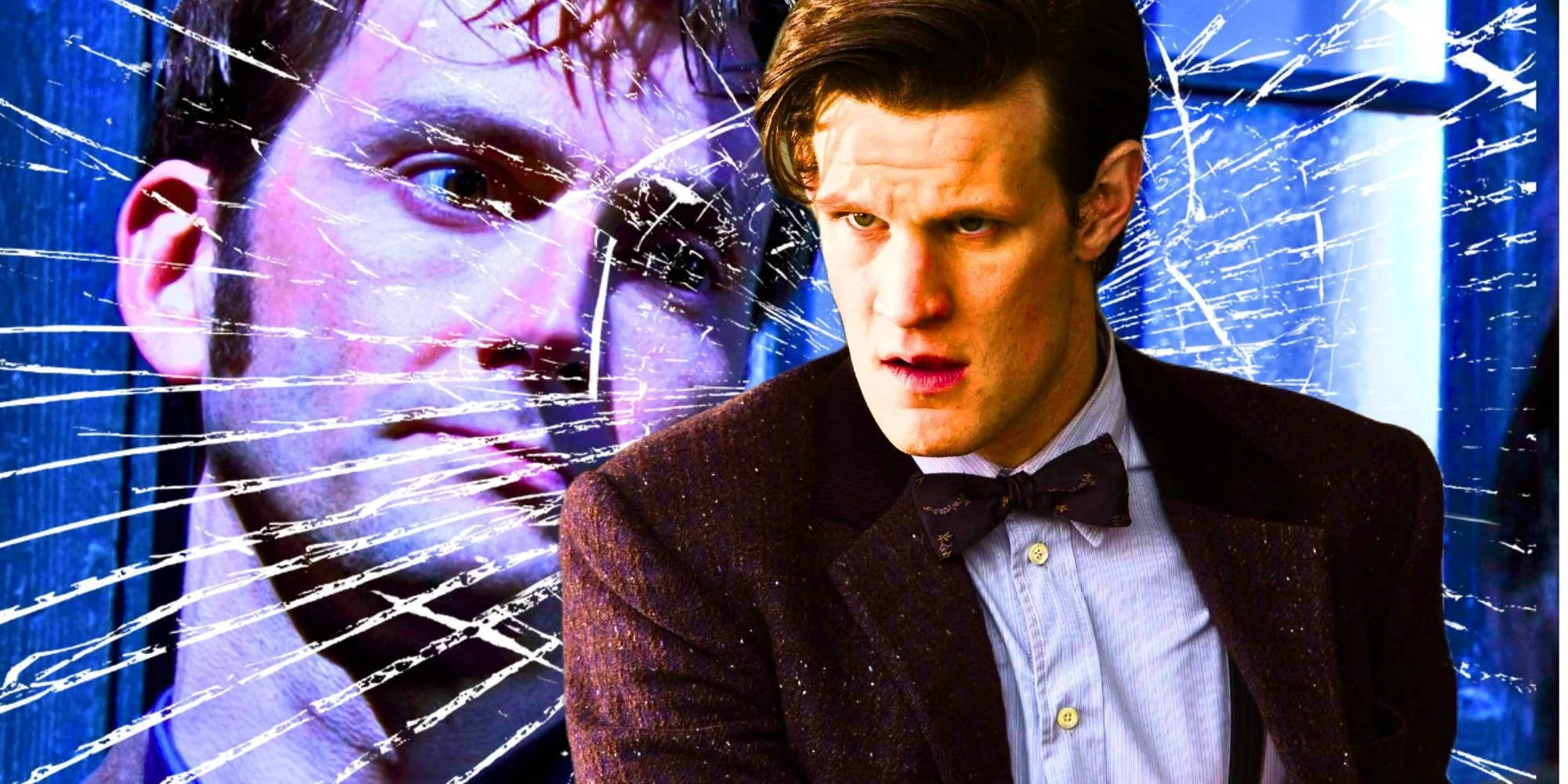
The Significance of the Ordinary
Steven Moffat gave Matt Smith a single line to fix an error Russell T. Davies had made. That line became the foundation of Aestraea. This is the essay about why I built a world around the conviction that no one is unimportant and nothing is insignificant, and what it cost me to understand that about myself first.
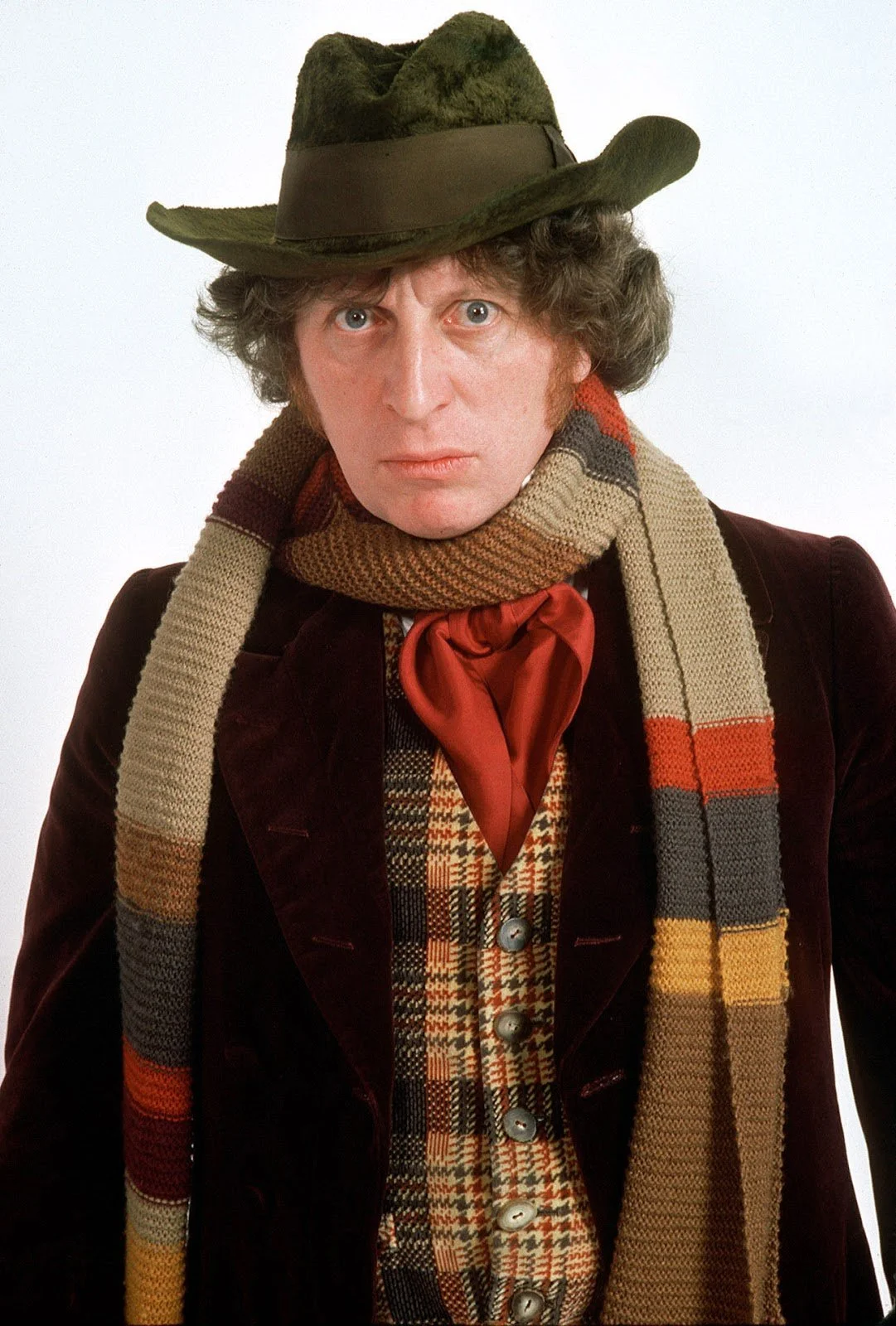
Doctor #4 - Tom Baker
“Baker had always seemed like someone out of place in ordinary reality, the eccentricity audiences would soon celebrate simply being how he carried himself.” - from How Tom Baker Changed TV as the Fourth Doctor Who: “I Became the Doctor” by Ed Gross
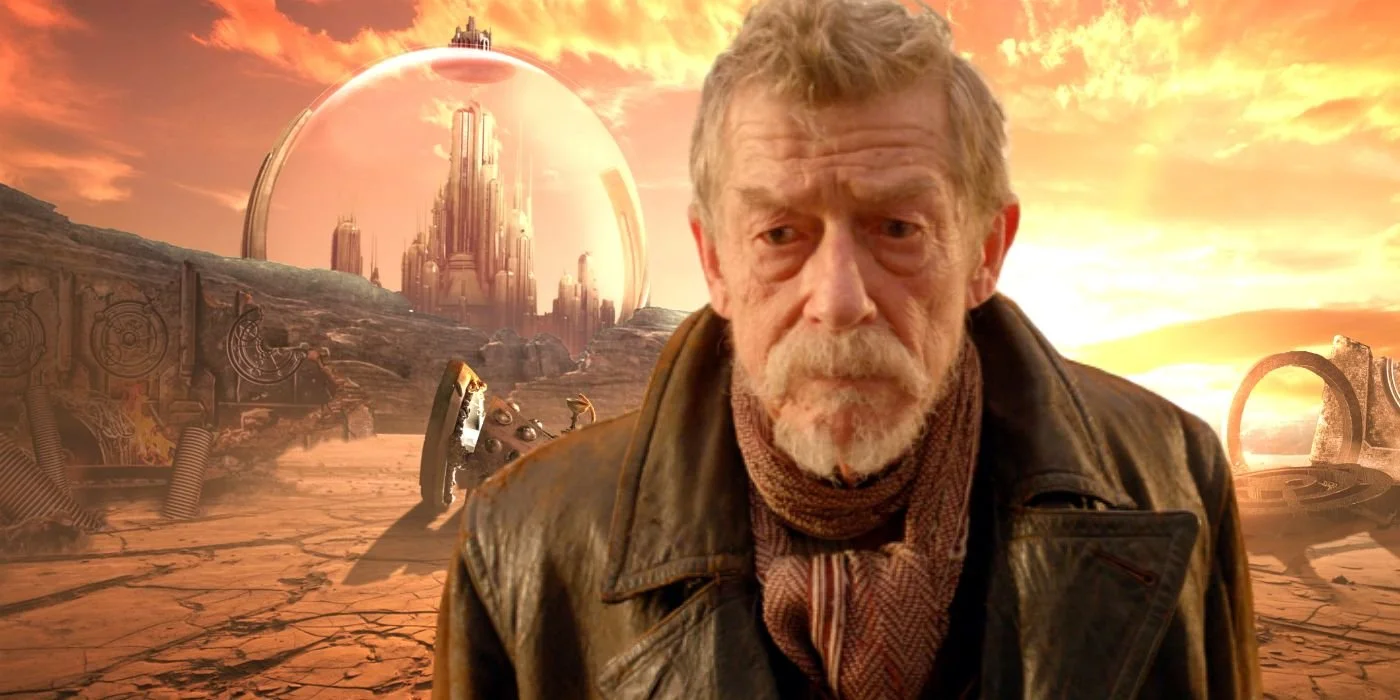
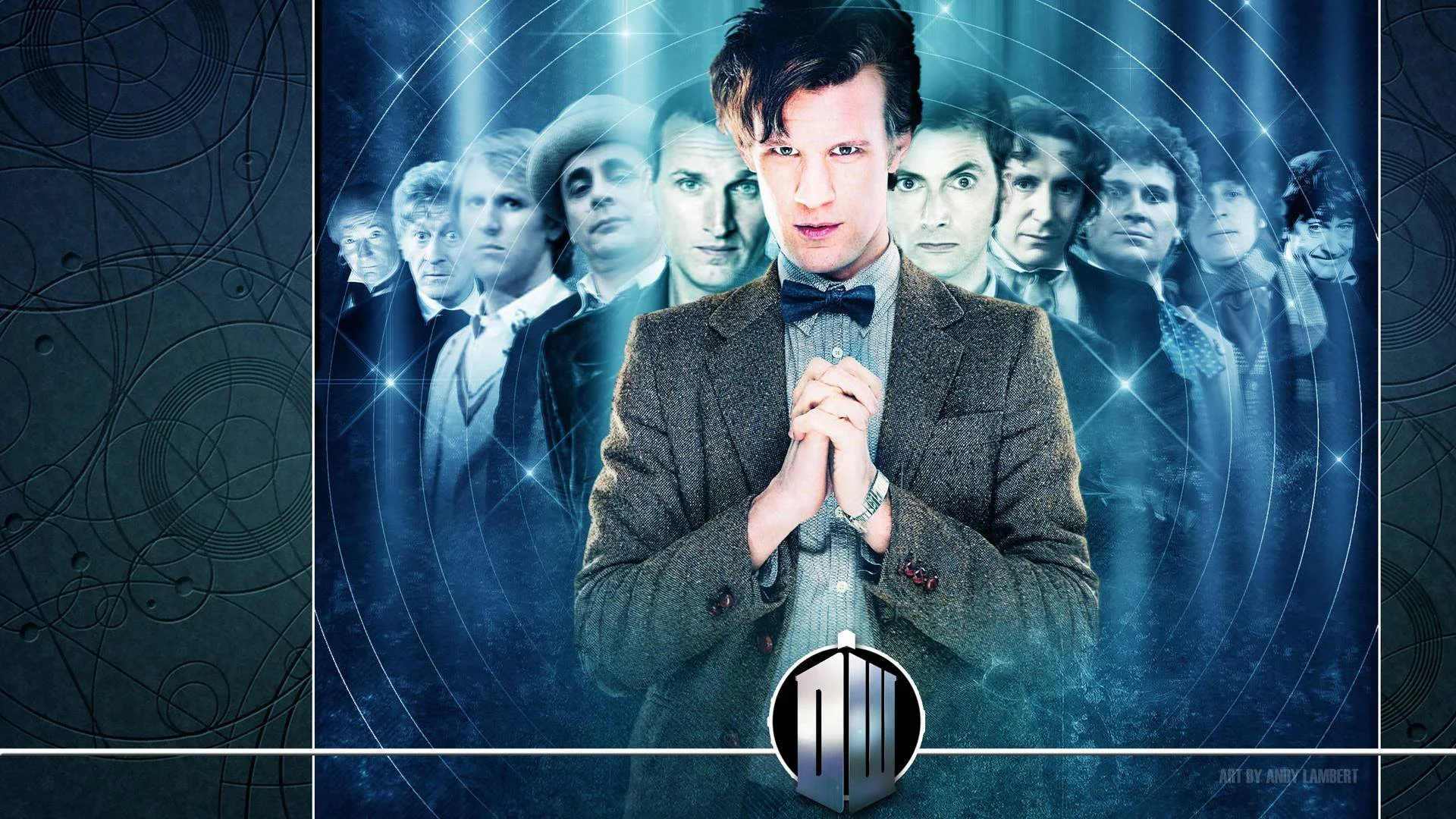
It is no secret that one of my favourite fandoms is Dr. Who. In fact, I have two Doctor Who-themed tattoos, and my dream of earning a Ph.D. stemmed directly from watching Tom Baker as The Doctor on PBS when I was 3. I wanted to be a doctor just like The Doctor.
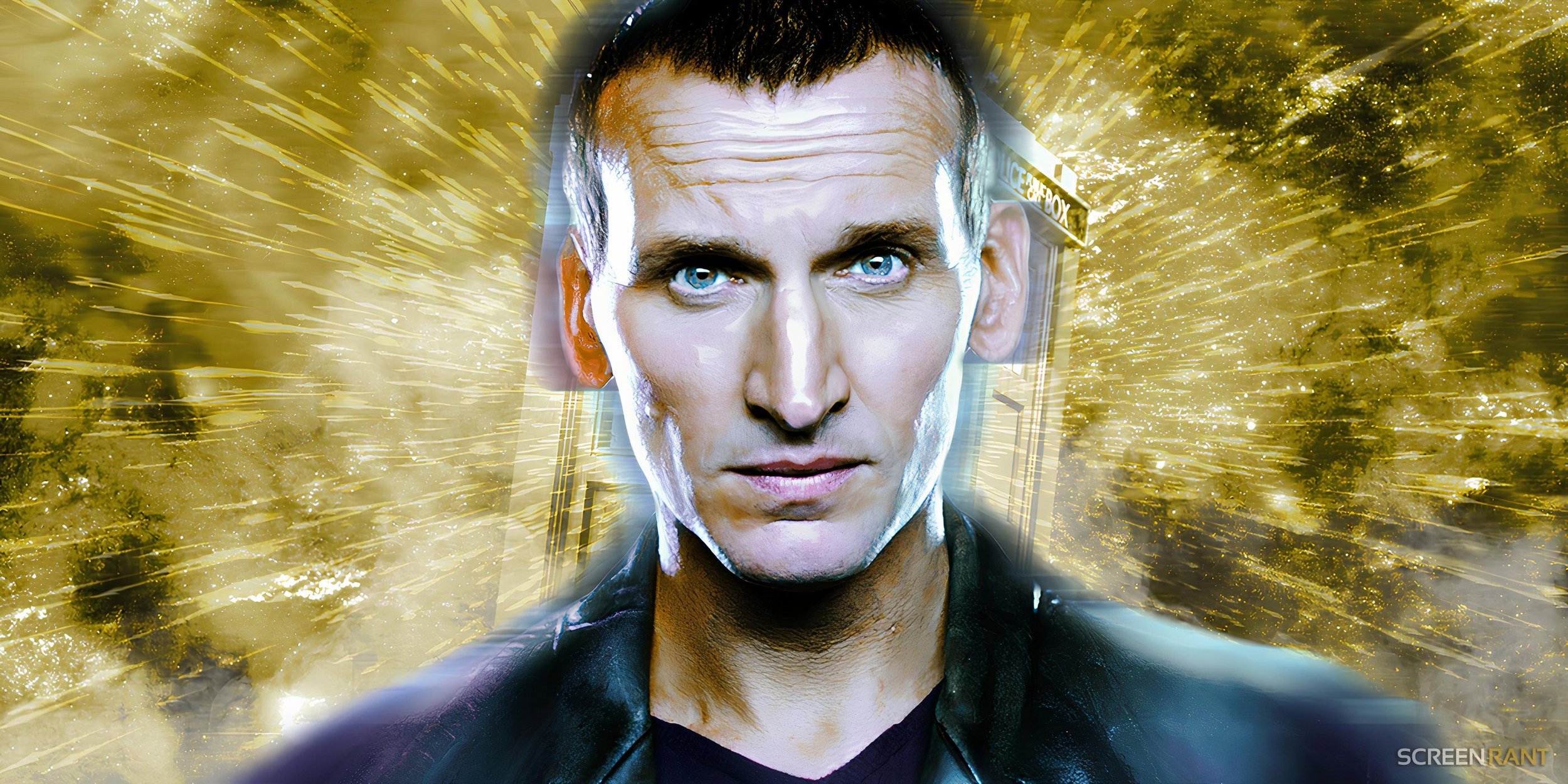
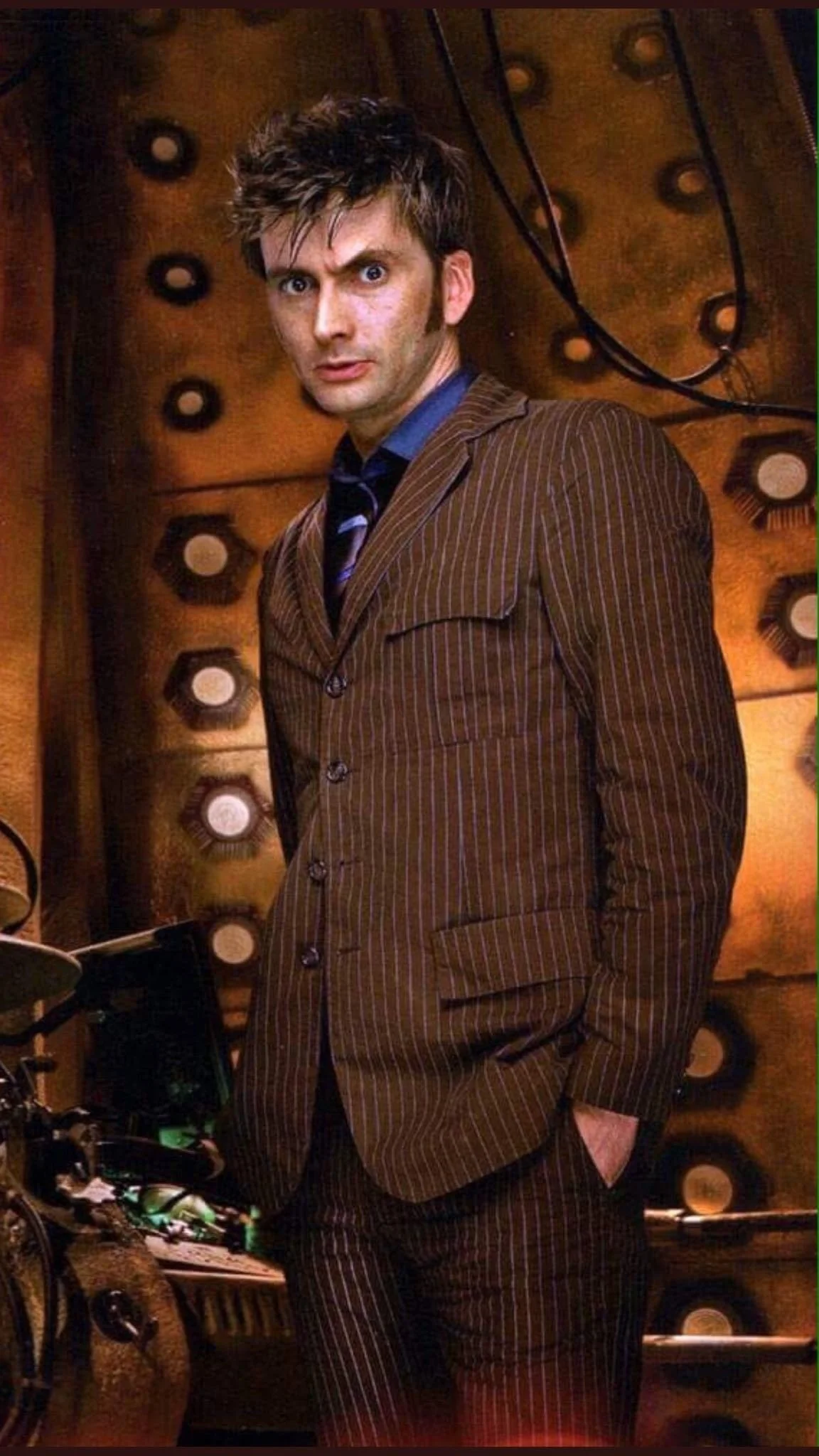
As time went on (as it is wont to do), I found The Doctor again. He was harder, angrier, sadder. When Christopher Eccelston stepped into the role in 2005 as the 9th Doctor, he brought a grit with him that hadn’t been present previously. Tennant reminded us of the fun the Doctor used to have and how humans were always so amazing.
But it was his final episode, “The End of Time, pt. 2,” in which he uttered a line written by Russell T. Davies that just never sat well with me. The Doctor said to Wilfred, “Look at you. Not remotely important.” It was his way of trying to rationalize his last moments as what he had come to know, which made his last line even more heart-rending: “I don’t want to go!”
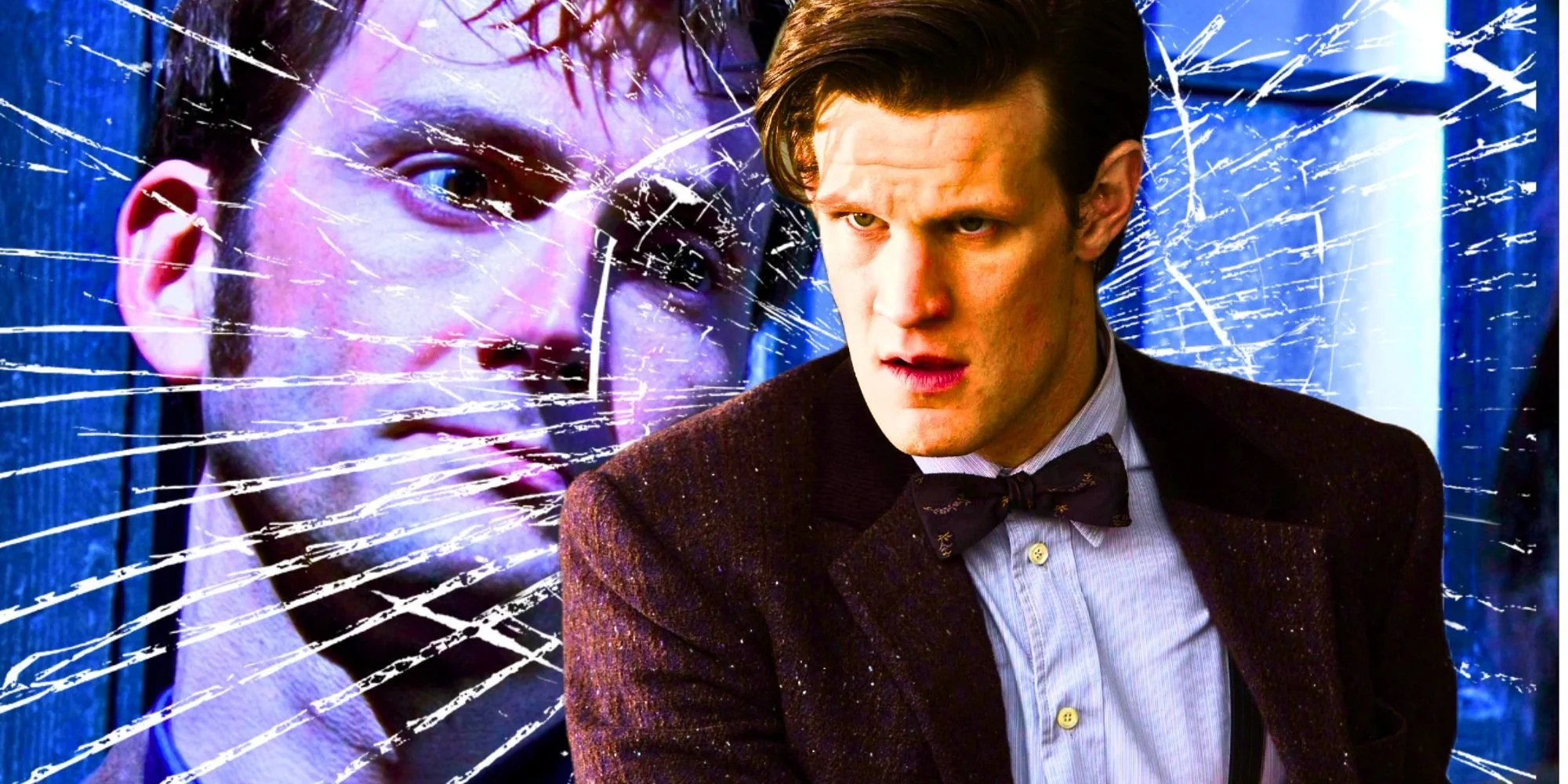
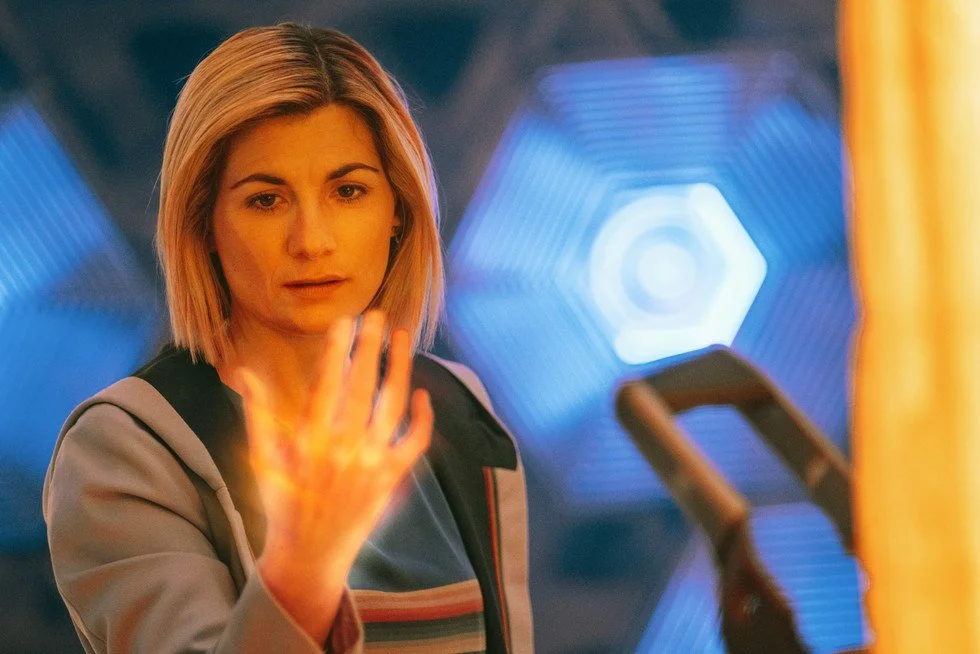
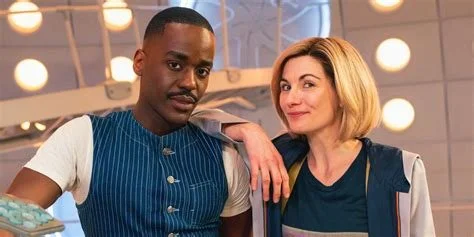
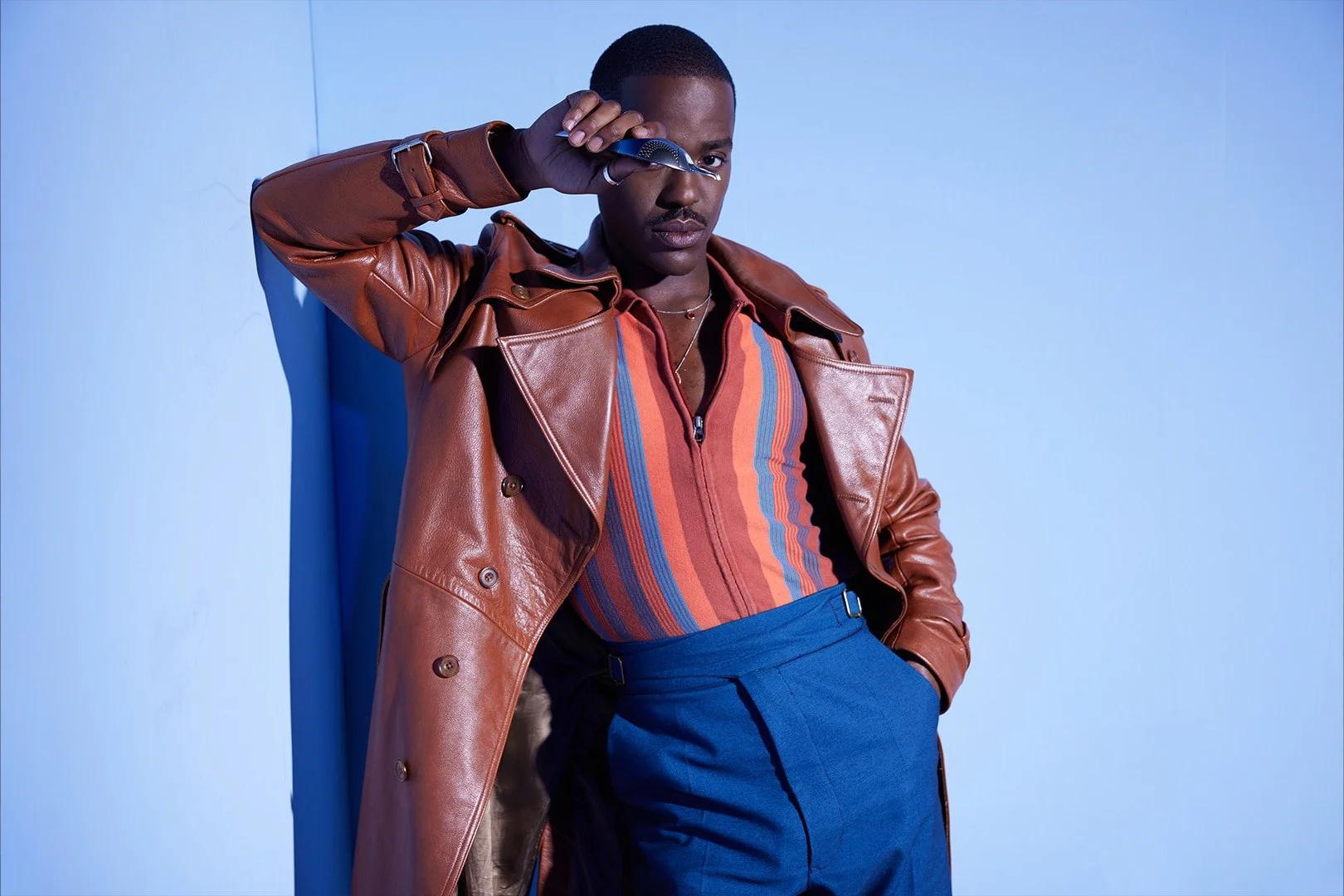
It would take a season of Matt Smith getting his feet as the Doctor. In the first episode of his second season (the sixth of New Who), Steven Moffat fixed the error Davies had made, and allowed Smith to speak one of Moffat’s greatest quotes into existence: “…You know that in nine hundred years of time and space and I've never met anybody who wasn't important before.” That simple, throw-away line became the anthem for many neurodivergent nerds out there who felt themselves insignificant or unimportant. It was emblazoned on a t-shirt and given to me as a reminder of the power I have in this world.
In this world, and in the world I created.
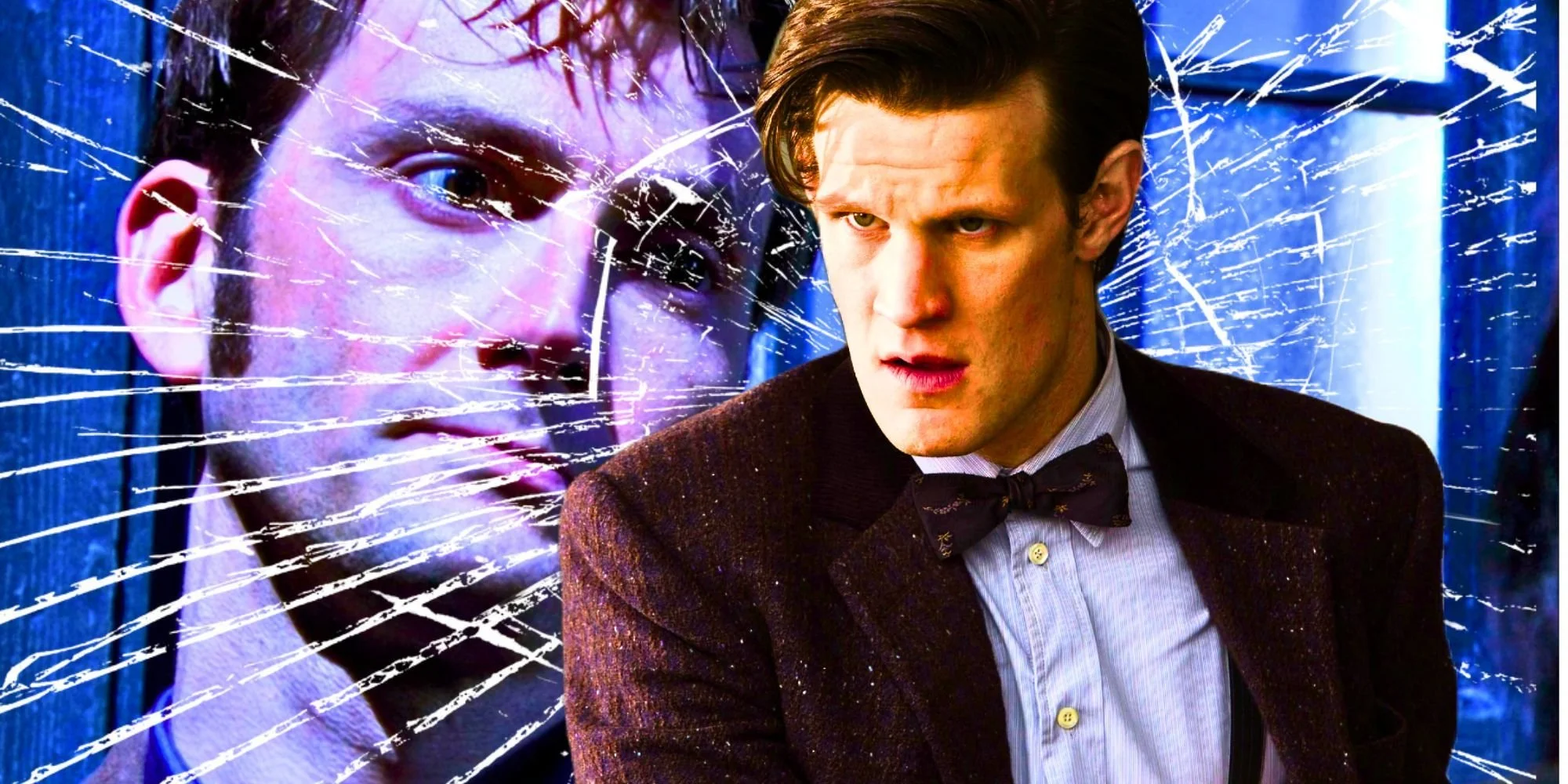
Doctors #10 (David Tennant) & #11 (Matt Smith) in “The End of Time”
You see, Aestraea did not begin with a plot. It began with a question I could not stop turning over: what if the thing a person considers most unremarkable about themselves turned out to be the greatest feat humankind had ever witnessed? Not because of prophecy, not because some external force reached down and assigned them importance, but because the particular shape of who they are was precisely what the moment required.
I have spent a long time watching people make themselves small, and being one of those people I watched do it. Shrinking is not a sign of weakness; it is a defence mechanism. There is safety in anonymity. There is peace in blending in. There is also a deep sadness and loneliness in being overlooked and unrecognised.
I built a world where that is simply not true.
The Hearthlight Cycle is, at its structural core, about cycles: birth, death, rebirth, and the living that happens within and between them. It is about found family as a genuine architecture of belonging. It is about the idea that the bonds we choose are as load-bearing as the ones we were given.
Marleigh l’Mer runs a tavern at the edge of the known world. By every ordinary measure, she is easy to overlook. She does not carry a sword. She does not hold political power. What she holds is an uncanny understanding of what people need before they know to ask for it, and a refusal to let anyone in her orbit diminish themselves without being challenged on it. The world would look significantly different without her in it, and she will never be the one to say so.
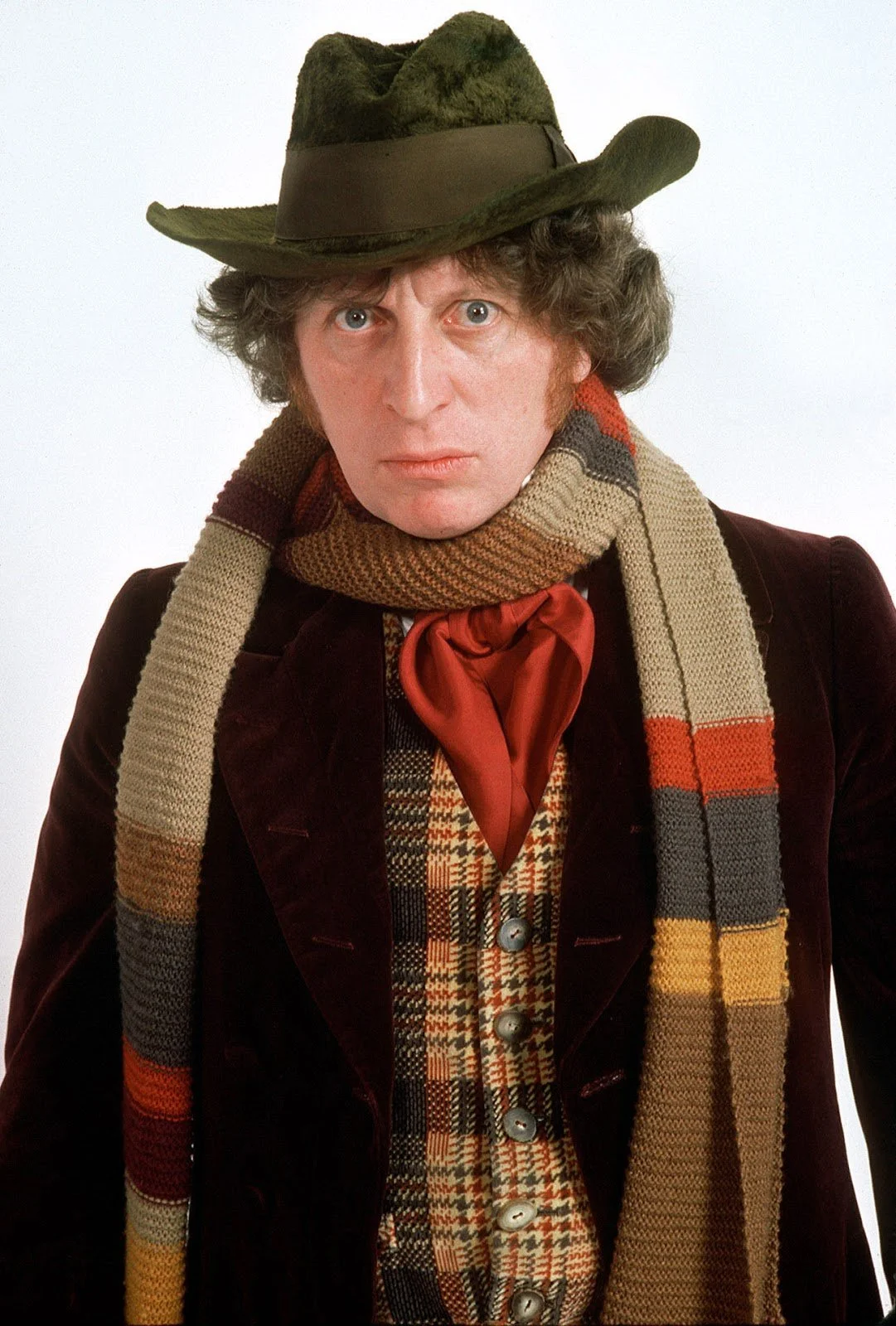

That is the story I needed to tell. Across seven books, in the bones of a world built from the beginning to hold the argument: significance has never been as legible as we were led to believe.
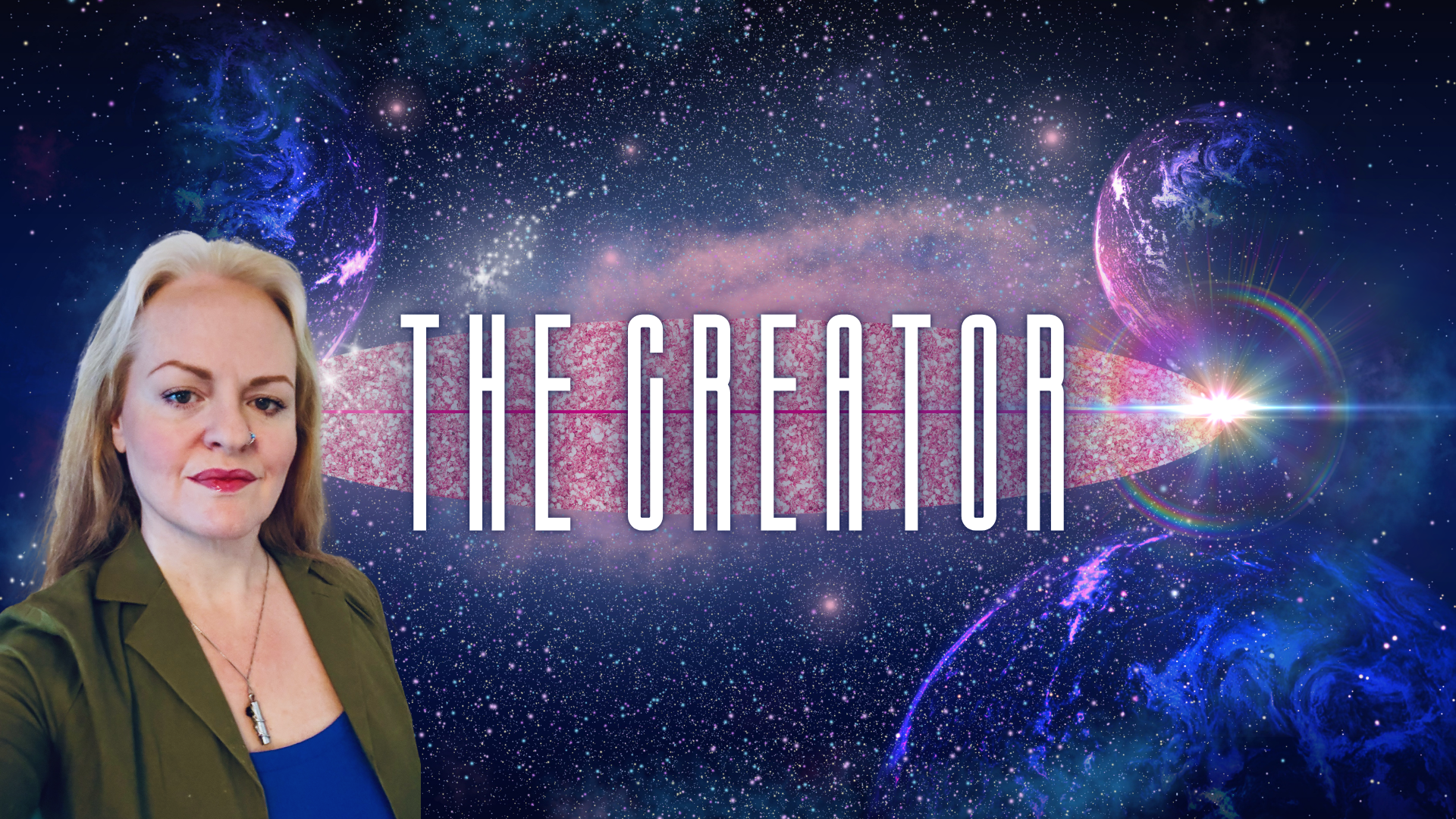
I needed someone like The Doctor to rescue me. So I became The Doctor to save myself. I needed a world like Aestraea to prove that no one and nothing was insignificant. So I created it and breathed it into existence. If, like me, you have found yourself crying late into the early hours of the morning, pleading with the Universe to save you from your pit of despair, then know the Universe has answered. It has sent me, The Creator, to put pen to paper and create a world in which no one is unimportant and nothing is insignificant.
This post first published on Substack, June 19, 2026. The content has been modified for this blog.
What is The Hearthlight Cycle & Where Do I Start?
Seven books. One original world. An ensemble cast navigating ancient dragons, warring nations, and the fear of what cannot be known. Start with A World Reborn.
What is The Hearthlight Cycle and Where Do I Start?
As with many adventures, it is best to start at the beginning; and for The Hearthlight Cycle, the beginning is A World Reborn.
The Hearthlight Cycle is a seven-book epic fantasy series set in Aestraea, an original world created by C.N. Mackey and published by Map's Edge Media. It follows an ensemble cast across a world shaped by ancient dragons, warring nations, and the remnants of a forgotten age. It is epic fantasy with psychological depth, morally complex characters, and prose that reads as poetry.
You start with A World Reborn. That is Book 1, and it is the intended entry point. The series is sequential. Each book builds on what came before. There is no good reason to read them out of order, and several good reasons not to.
A World Reborn is currently being crowdfunded on Kickstarter. The campaign runs through 30 June 2026. After that, a standard edition will be available through Map's Edge Media.
If you want to be inside the world before the book is finished, the Map's Edge newsletter on Substack is where that happens. Lore, character insights, behind-the-scenes writing, and everything happening with the series as it develops. It is free. It is where readers find the door first.
The full series runs seven books, from A World Reborn through A New Age. It is worth it.
What is Aestraea?
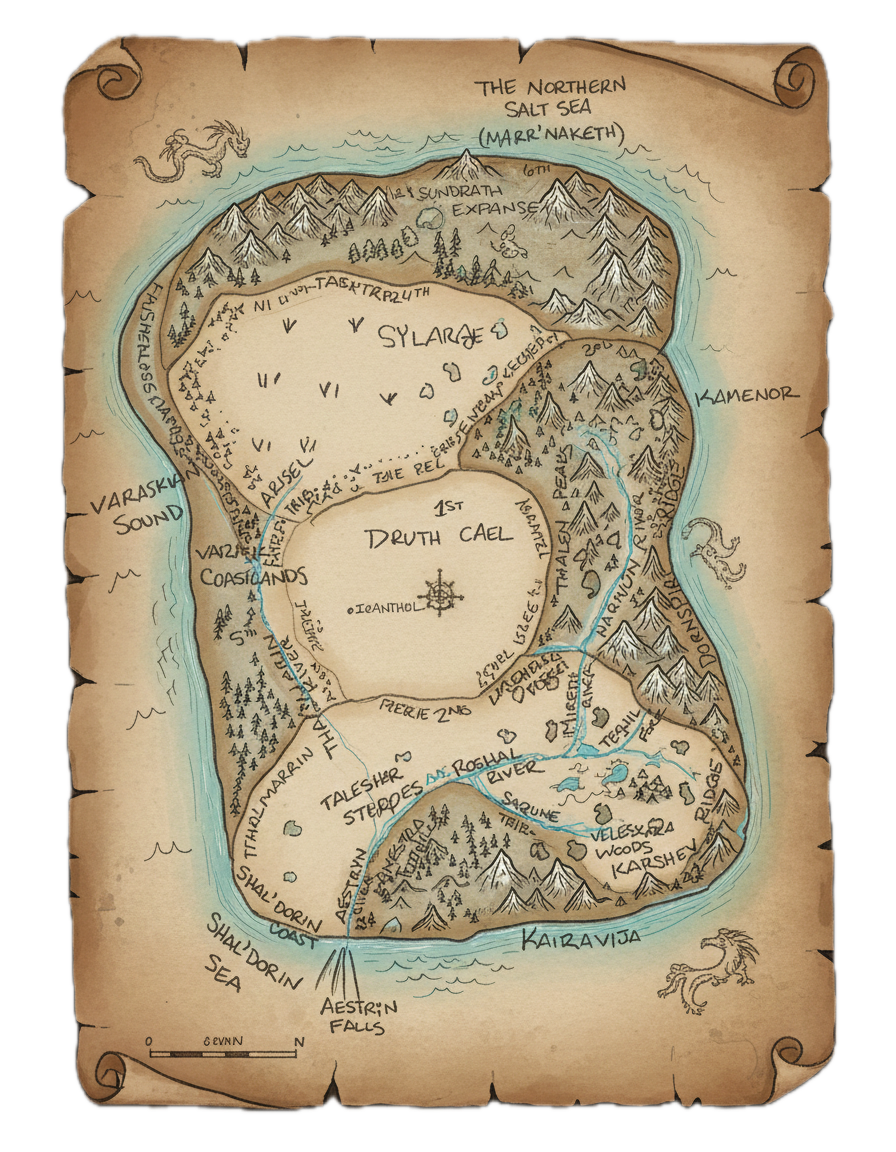
Aestraea is not a place I invented. It is a place I found. It started in poetry, the way things do when you are not paying attention.
Aestraea
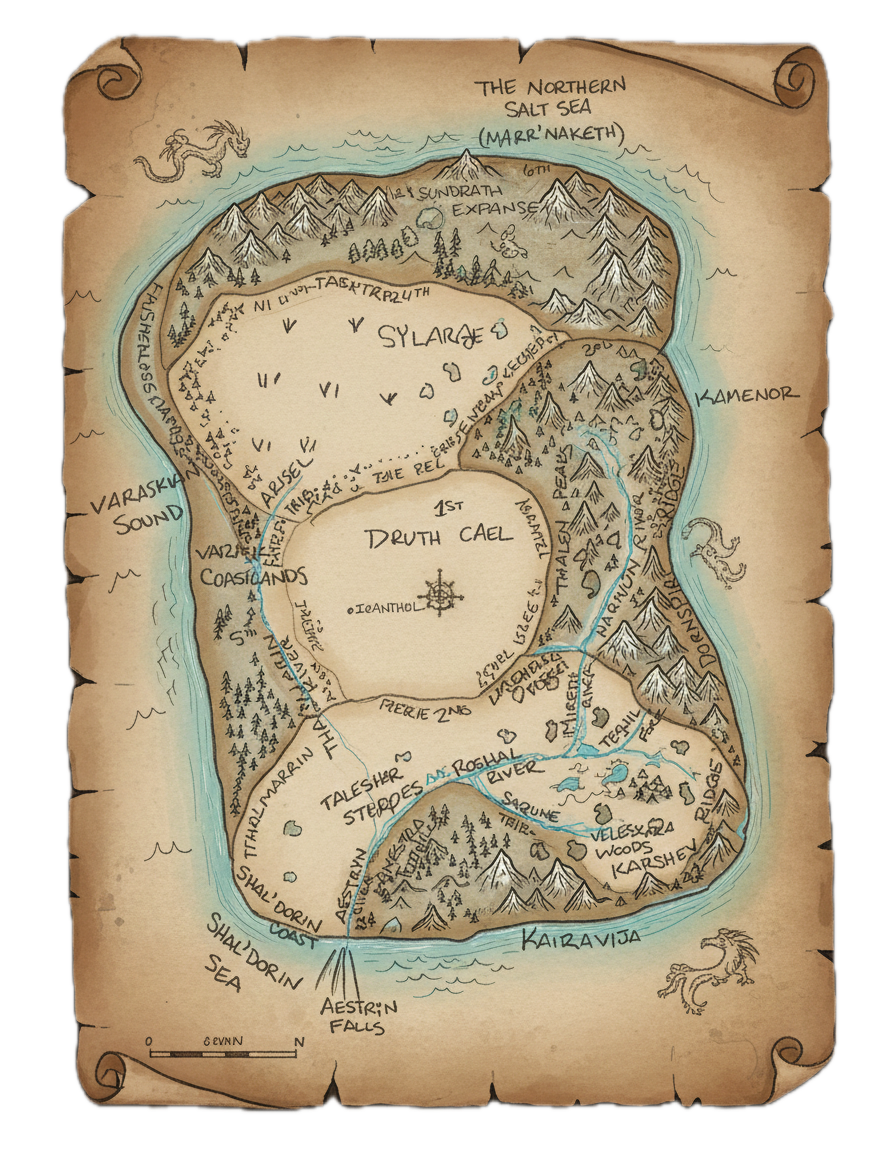
The Original Fantasy World at the Heart of The Hearthlight Cycle.
Aestraea is not a place I invented. It is a place I found.
It started in poetry, the way things do when you are not paying attention. Lines that kept returning to the same images, the same questions, the same unnamed world at the edges. It took time to understand what I was looking at. When I did, I stopped writing around it and started writing into it.
Aestraea is a fully original fantasy world, the setting for The Hearthlight Cycle, a seven-book epic fantasy series by C.N. Mackey. That means no borrowed mythology, no reimagined history, no familiar pantheon wearing different clothes. It has its own languages, its own creatures, its own calendar, its own understanding of what magic is and what it costs. It has a history that predates the story I am telling by thousands of years, and a future that extends beyond the seven books of the series.
It is a world of vastly different peoples who come together, imperfectly and necessarily, because the alternative is worse. Community is not a background detail in Aestraea. It is the central argument. That people need each other. That the fear of the unknown is best faced with someone beside you. That belonging is not weakness.
Aestraea will always be here. It always has been. You just never found the door until now.
The Hearthlight Cycle begins with A World Reborn, currently available on Kickstarter through 30 June 2026. The Map's Edge newsletter on Substack is where the world lives between books.
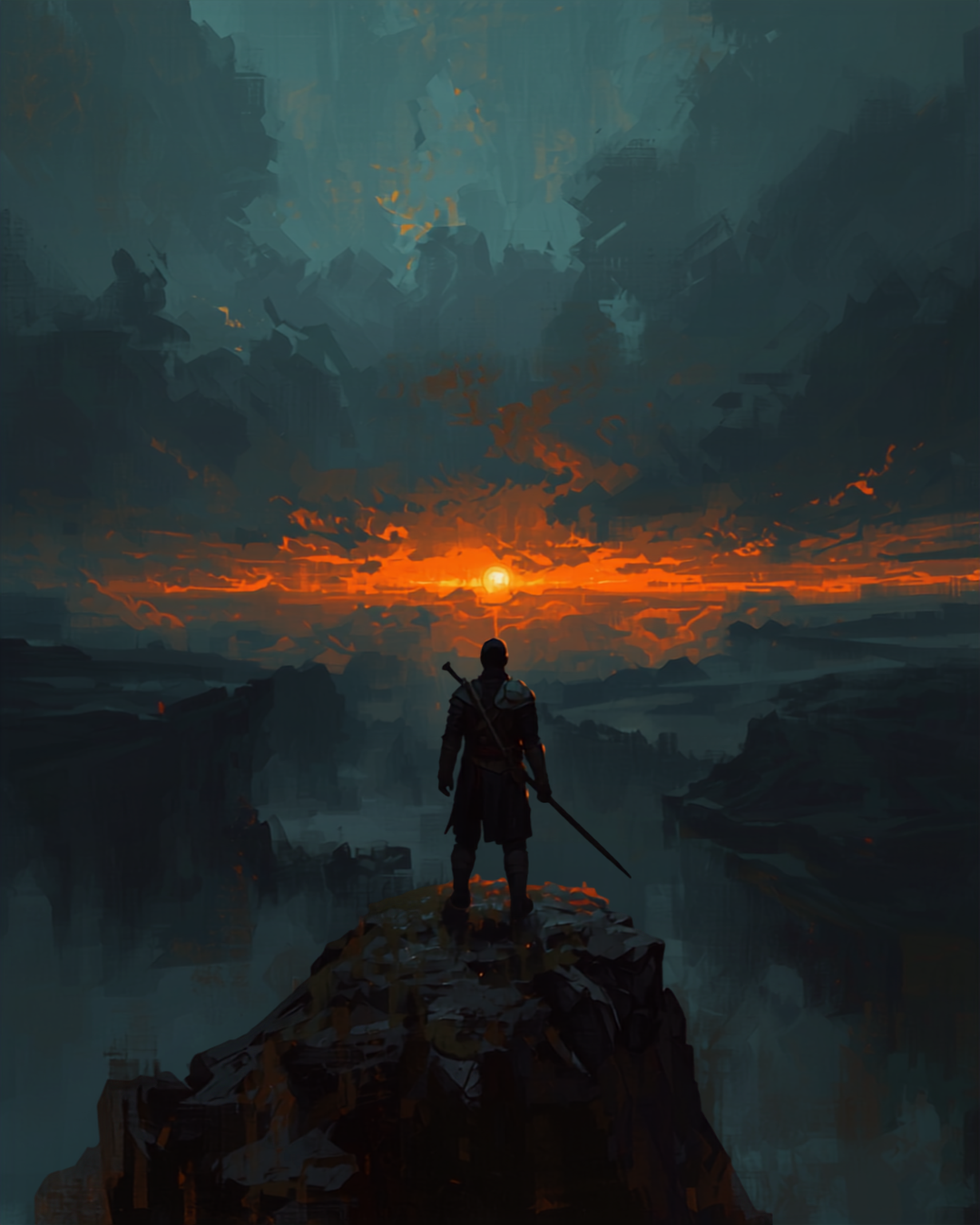
What Is Epic Fantasy, and Why Does It Matter
Epic fantasy is the only genre with enough scale to ask the questions that matter most — and make the answers feel earned. This is what the genre is capable of, and what The Hearthlight Cycle is built for.
What is Epic Fantasy?
It is the genre built to hold the full weight of the human condition, answering the difficult questions of “what do we owe each other?” “what survives when everything fails?” and “what are we underneath the roles we were assigned?”
Epic fantasy is the genre built to hold the full weight of the human condition. It constructs entire worlds from nothing, so it can ask the questions the real world makes too complicated to ask cleanly: what do we owe each other, what survives when everything falls, and what are we underneath the roles we were assigned.
Epic fantasy gets dismissed a lot. Too long. Too much. Too many maps and made-up words and characters with apostrophes in their names.
Those people are not wrong about bad epic fantasy. They are wrong about what epic fantasy is capable of.
At its best, it is the only genre with enough scale to make the answers matter. Literary fiction asks the same questions. The difference is scope. Epic fantasy asks them across nations, across generations, across stakes that a single drawing room cannot contain.
The readers who love it know this. They are not escapists. They are people who need more room than the real world provides. They read to feel something they cannot name in ordinary life, and they keep coming back because the genre, at its best, delivers that without apology.
That is what The Hearthlight Cycle is built for. Not adventure for its own sake. Not worldbuilding as spectacle. A story about people, in a world big enough to hold all of what people actually are. If that is what you are looking for, you are in the right place.
The Hearthlight Cycle is a seven-book epic fantasy series by C.N. Mackey, set in the original world of Aestraea. Book 1, A World Reborn, is available now on Kickstarter through 30 June 2026.