The Significance of the Ordinary
Steven Moffat gave Matt Smith a single line to fix an error Russell T. Davies had made. That line became the foundation of Aestraea. This is the essay about why I built a world around the conviction that no one is unimportant and nothing is insignificant, and what it cost me to understand that about myself first.
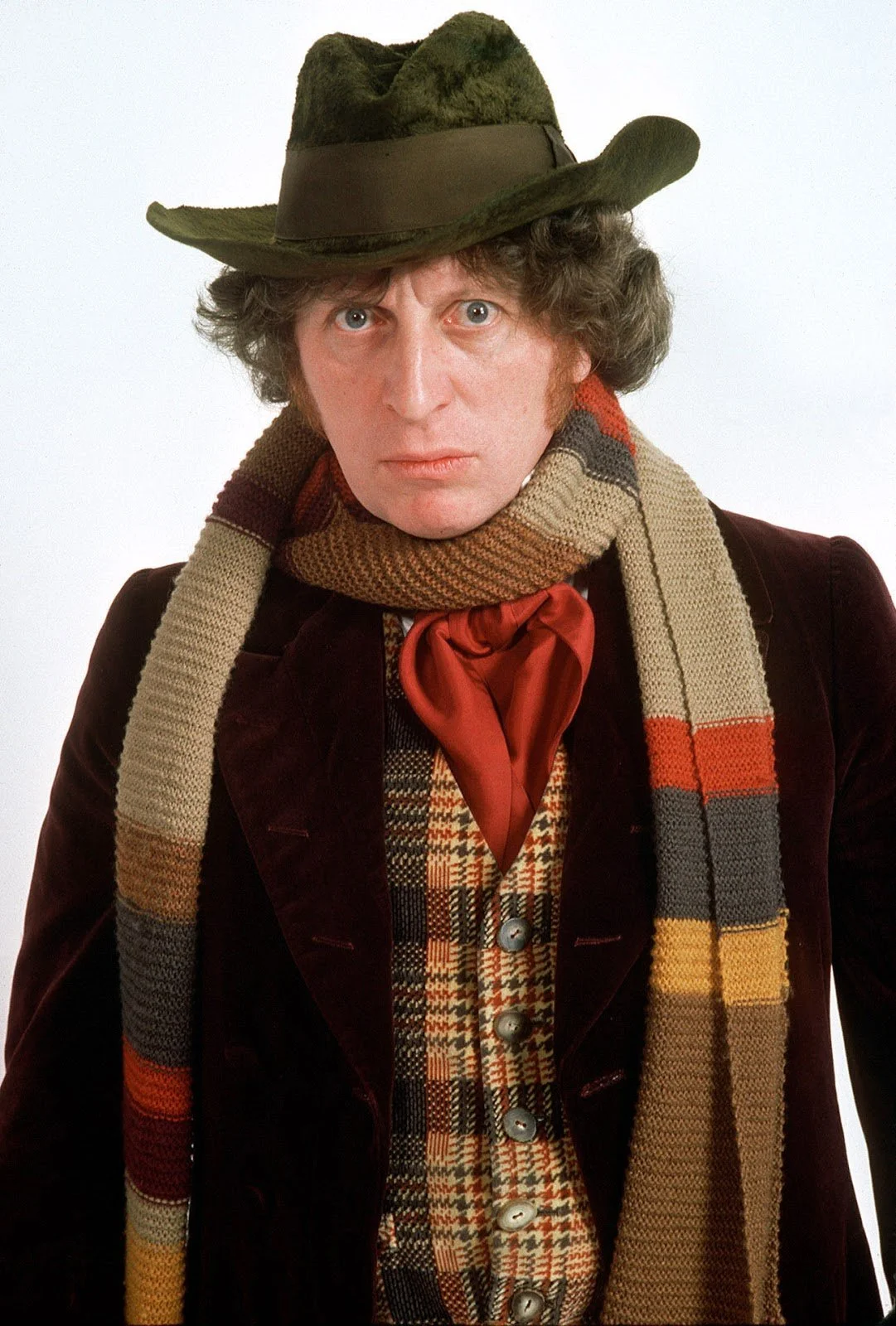
Doctor #4 - Tom Baker
“Baker had always seemed like someone out of place in ordinary reality, the eccentricity audiences would soon celebrate simply being how he carried himself.” - from How Tom Baker Changed TV as the Fourth Doctor Who: “I Became the Doctor” by Ed Gross
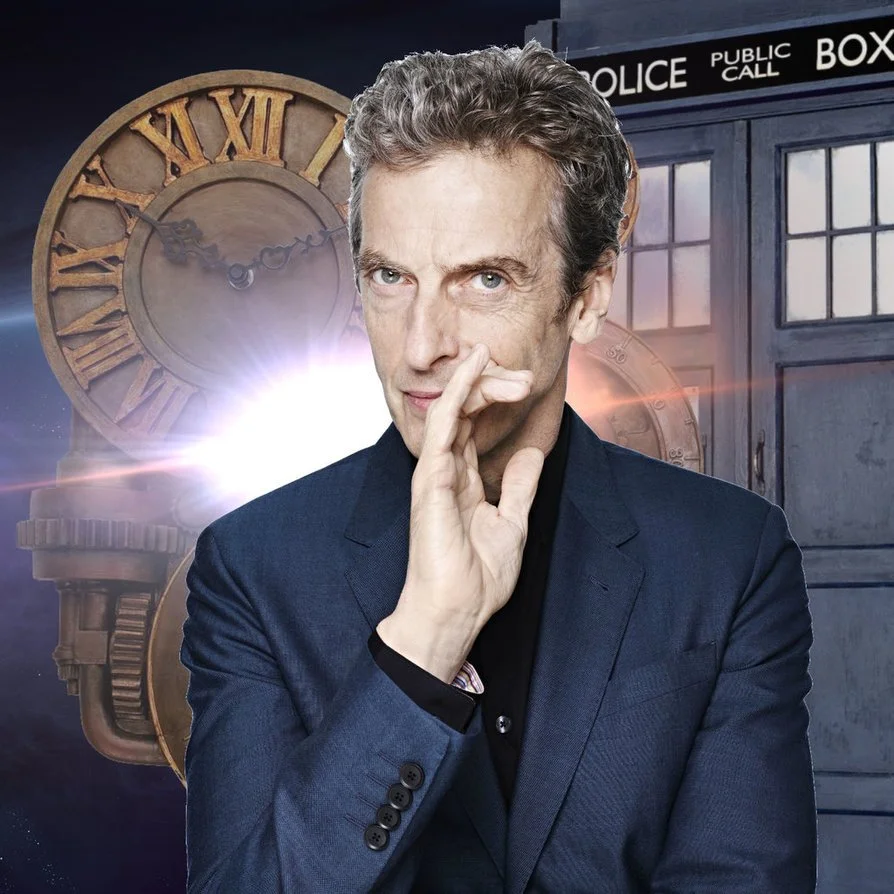
It is no secret that one of my favourite fandoms is Dr. Who. In fact, I have two Doctor Who-themed tattoos, and my dream of earning a Ph.D. stemmed directly from watching Tom Baker as The Doctor on PBS when I was 3. I wanted to be a doctor just like The Doctor.
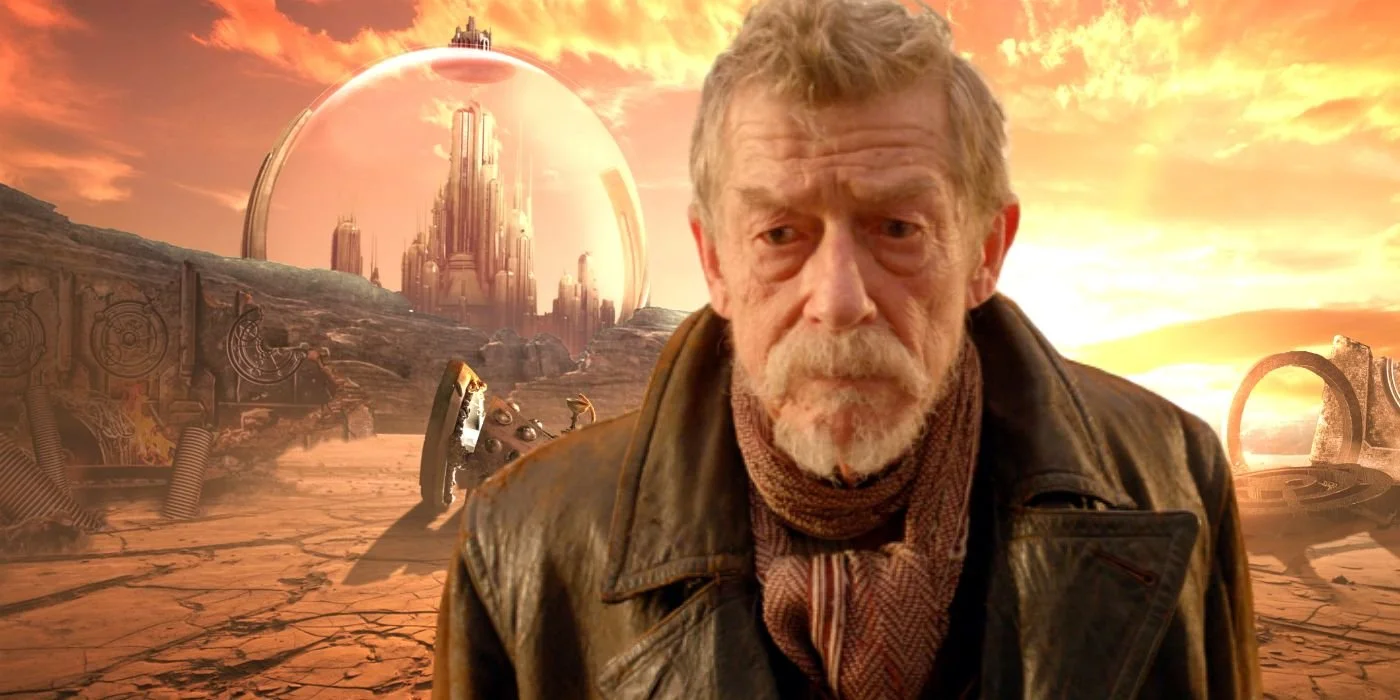
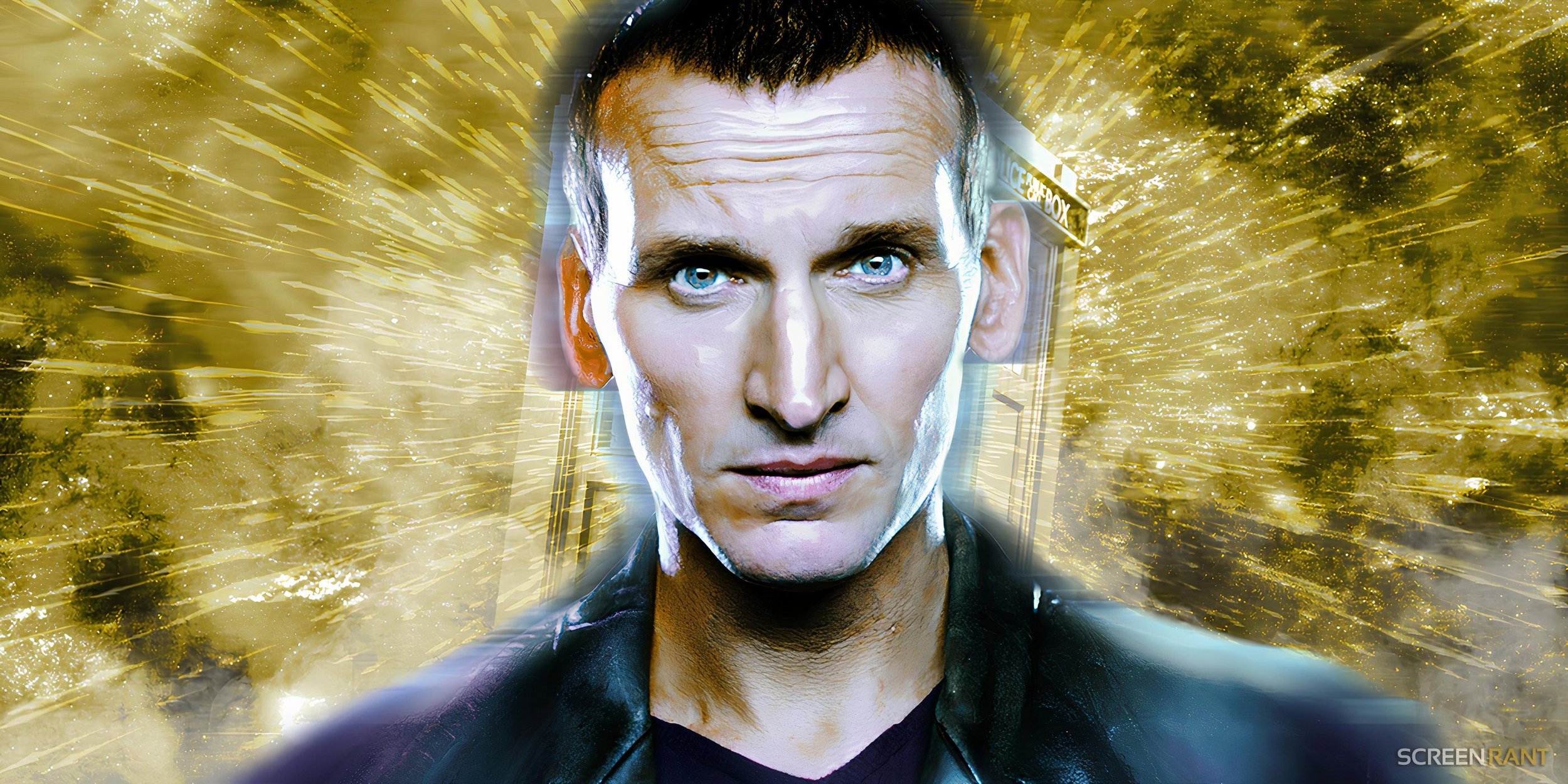
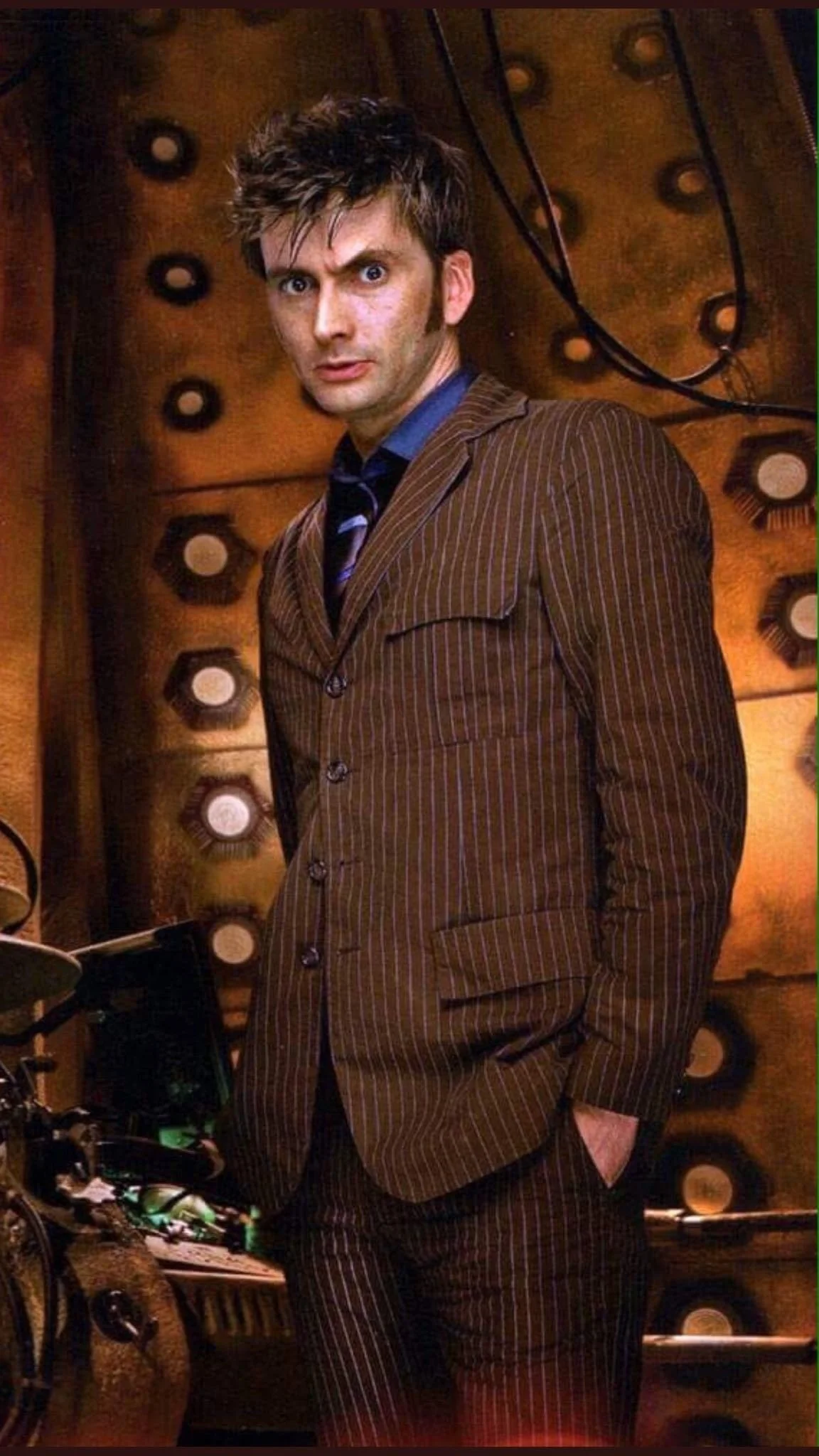
As time went on (as it is wont to do), I found The Doctor again. He was harder, angrier, sadder. When Christopher Eccelston stepped into the role in 2005 as the 9th Doctor, he brought a grit with him that hadn’t been present previously. Tennant reminded us of the fun the Doctor used to have and how humans were always so amazing.
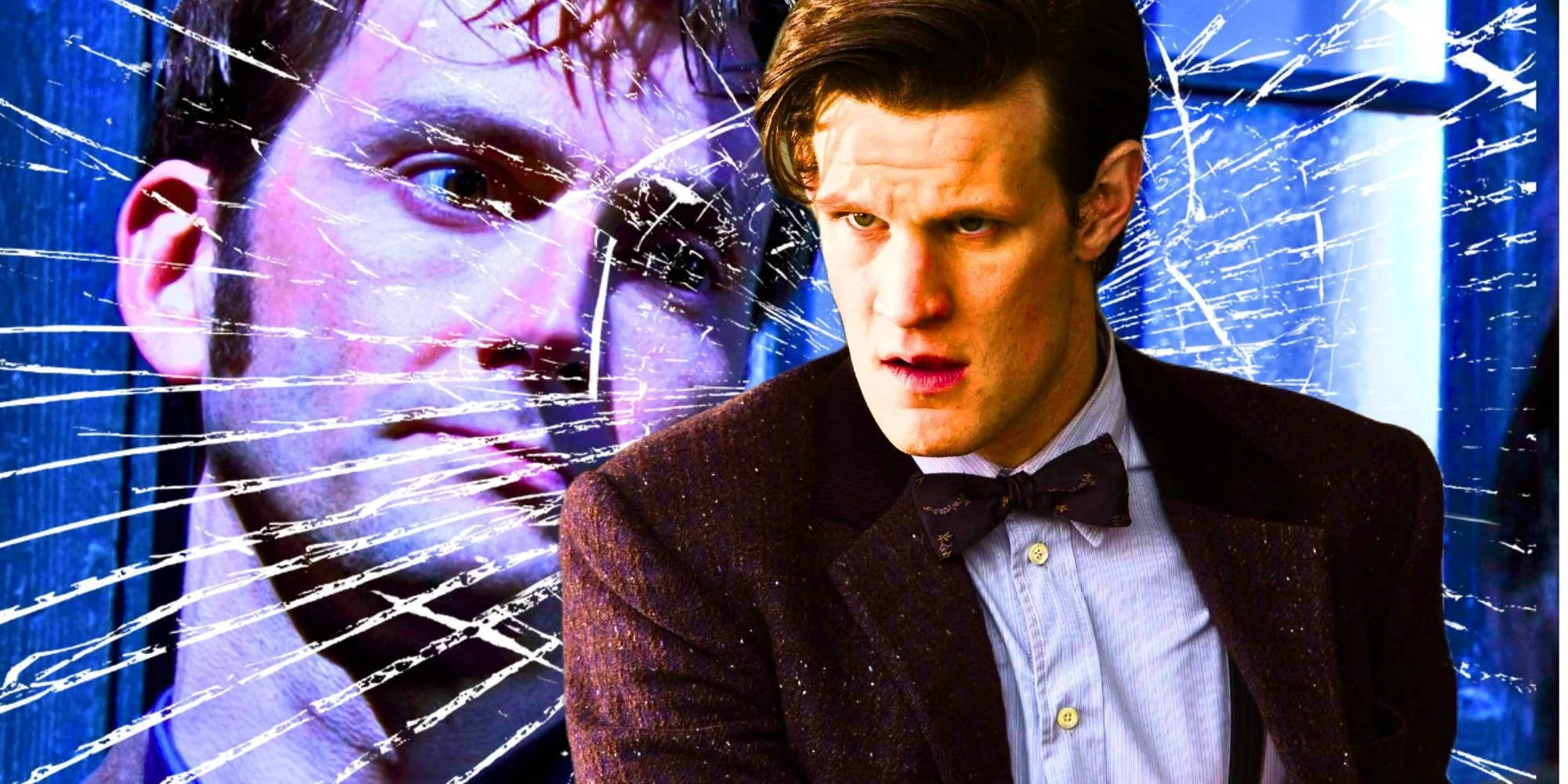
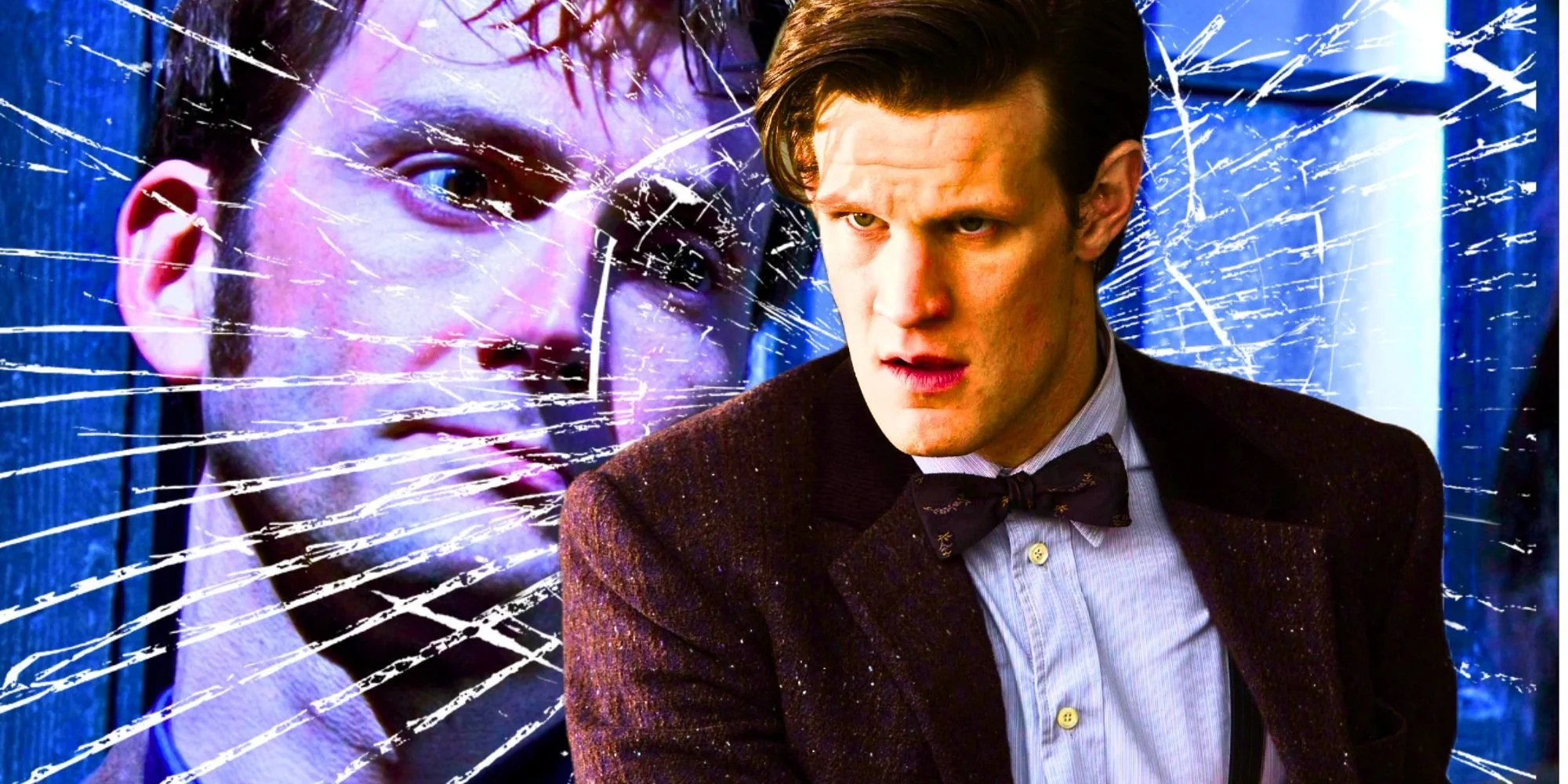
But it was his final episode, “The End of Time, pt. 2,” in which he uttered a line written by Russell T. Davies that just never sat well with me. The Doctor said to Wilfred, “Look at you. Not remotely important.” It was his way of trying to rationalize his last moments as what he had come to know, which made his last line even more heart-rending: “I don’t want to go!”
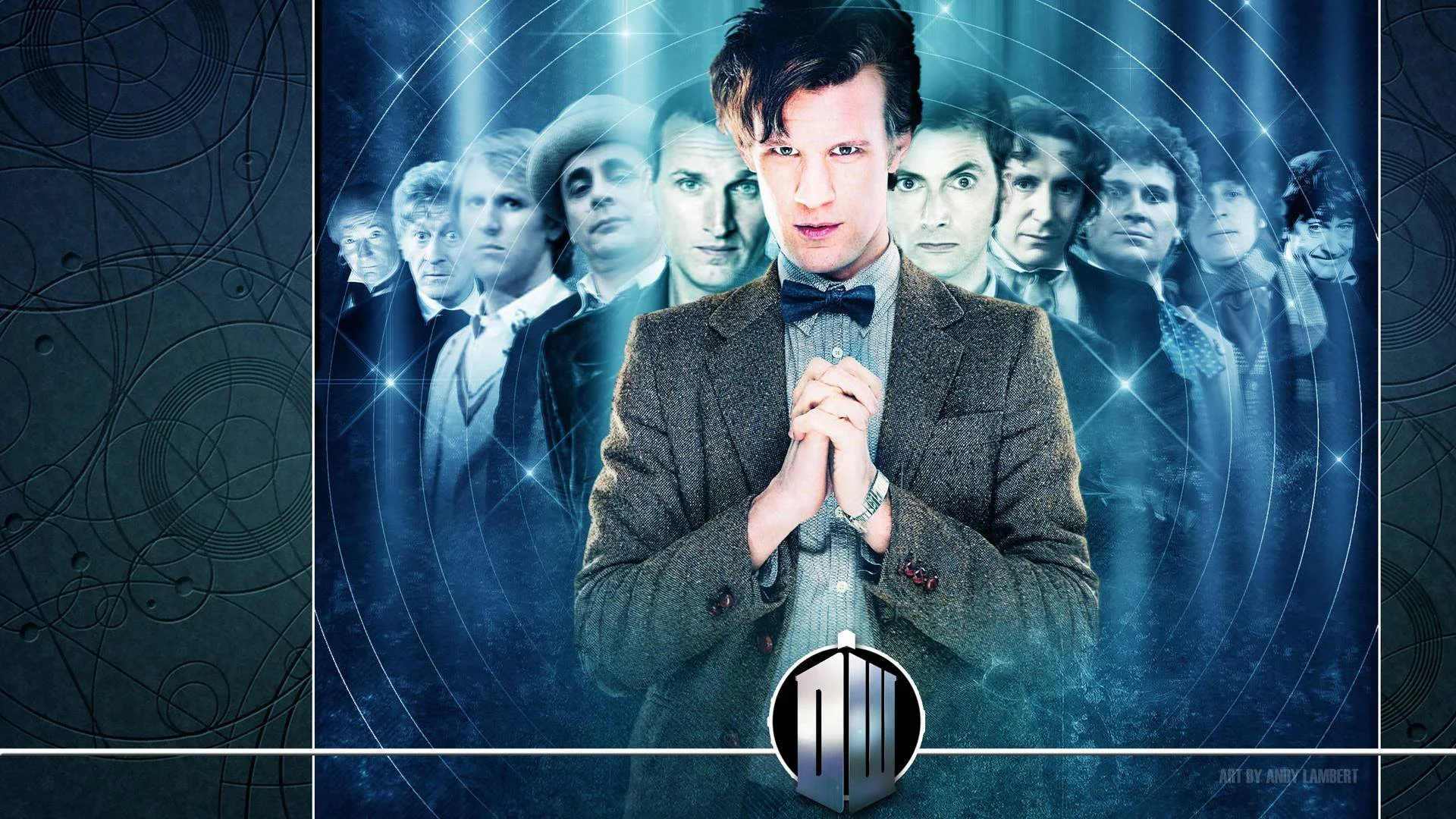
It would take a season of Matt Smith getting his feet as the Doctor. In the first episode of his second season (the sixth of New Who), Steven Moffat fixed the error Davies had made, and allowed Smith to speak one of Moffat’s greatest quotes into existence: “…You know that in nine hundred years of time and space and I've never met anybody who wasn't important before.” That simple, throw-away line became the anthem for many neurodivergent nerds out there who felt themselves insignificant or unimportant. It was emblazoned on a t-shirt and given to me as a reminder of the power I have in this world.
In this world, and in the world I created.
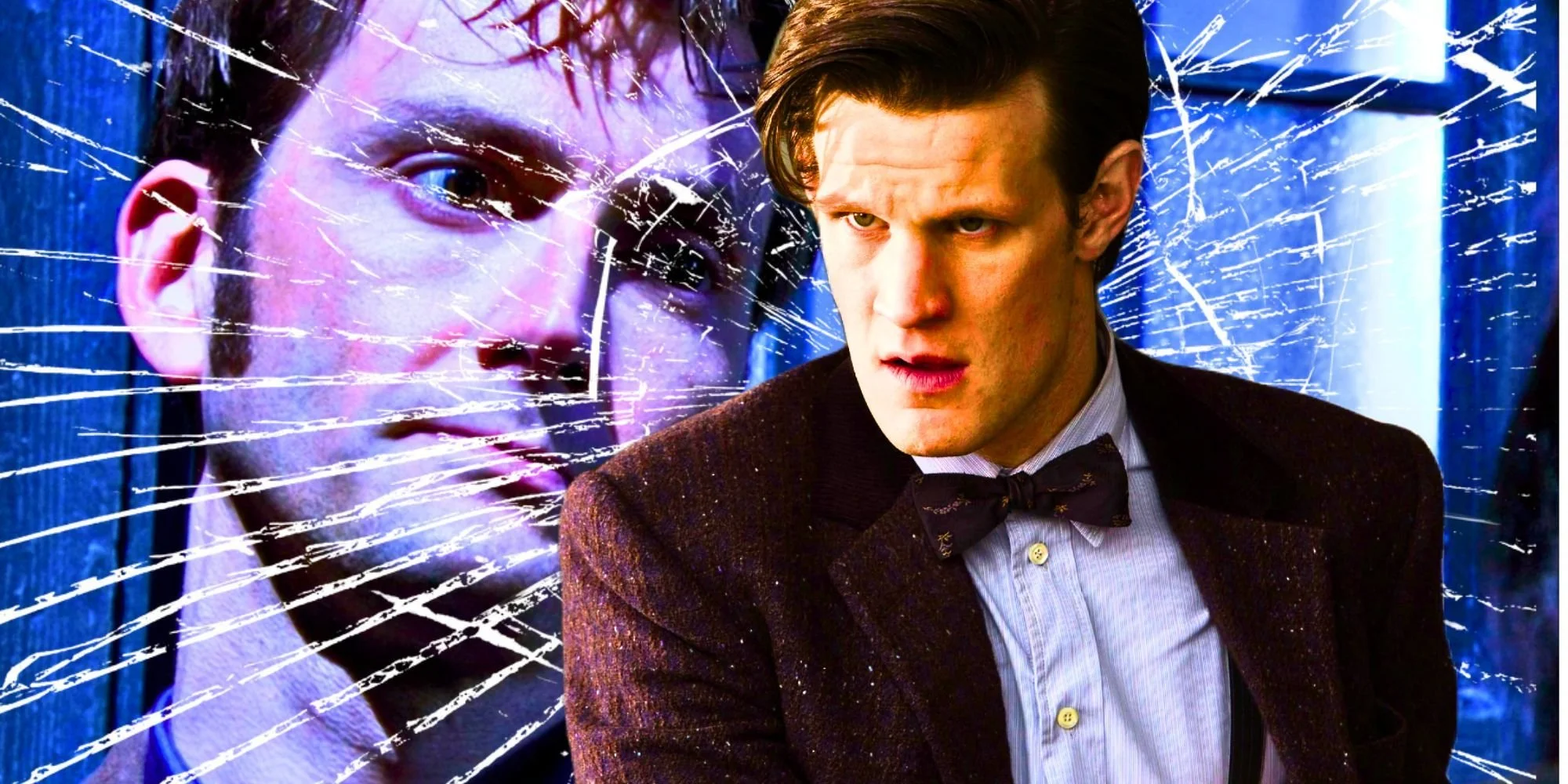
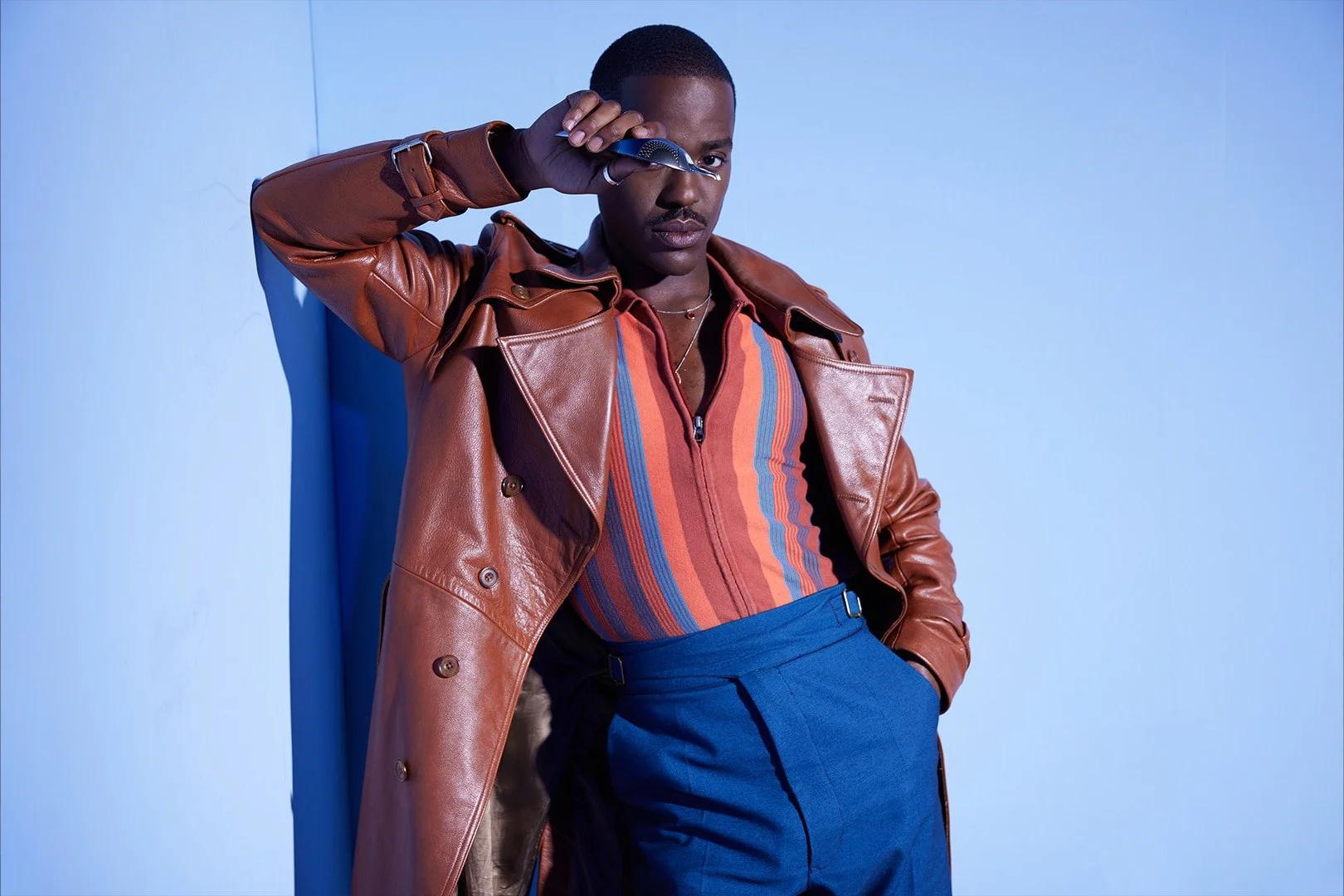
Doctors #10 (David Tennant) & #11 (Matt Smith) in “The End of Time”
You see, Aestraea did not begin with a plot. It began with a question I could not stop turning over: what if the thing a person considers most unremarkable about themselves turned out to be the greatest feat humankind had ever witnessed? Not because of prophecy, not because some external force reached down and assigned them importance, but because the particular shape of who they are was precisely what the moment required.
I have spent a long time watching people make themselves small, and being one of those people I watched do it. Shrinking is not a sign of weakness; it is a defence mechanism. There is safety in anonymity. There is peace in blending in. There is also a deep sadness and loneliness in being overlooked and unrecognised.
I built a world where that is simply not true.
The Hearthlight Cycle is, at its structural core, about cycles: birth, death, rebirth, and the living that happens within and between them. It is about found family as a genuine architecture of belonging. It is about the idea that the bonds we choose are as load-bearing as the ones we were given.
Marleigh l’Mer runs a tavern at the edge of the known world. By every ordinary measure, she is easy to overlook. She does not carry a sword. She does not hold political power. What she holds is an uncanny understanding of what people need before they know to ask for it, and a refusal to let anyone in her orbit diminish themselves without being challenged on it. The world would look significantly different without her in it, and she will never be the one to say so.
That is the story I needed to tell. Across seven books, in the bones of a world built from the beginning to hold the argument: significance has never been as legible as we were led to believe.
I needed someone like The Doctor to rescue me. So I became The Doctor to save myself. I needed a world like Aestraea to prove that no one and nothing was insignificant. So I created it and breathed it into existence. If, like me, you have found yourself crying late into the early hours of the morning, pleading with the Universe to save you from your pit of despair, then know the Universe has answered. It has sent me, The Creator, to put pen to paper and create a world in which no one is unimportant and nothing is insignificant.
This post first published on Substack, June 19, 2026. The content has been modified for this blog.